




Crate training is one of the most valuable skills you can teach your new dog or puppy. When done correctly, it provides them with a safe, den-like sanctuary and provides you with peace of mind. However, the thought of crate training a puppy at night or leaving your dog crated while you go to work can be daunting. The sound of a whining puppy can test anyone’s resolve, and the guilt of leaving a dog confined is a common feeling among pet parents.
But it doesn’t have to be a struggle. This comprehensive guide will walk you through a compassionate, step-by-step process for successful crate training at night and during your daily absences. We will cover everything from creating the perfect environment to building positive associations, ensuring that the crate becomes your dog’s favorite retreat, not a place of isolation.
Why Crate Training Works: More Than Just a Cage
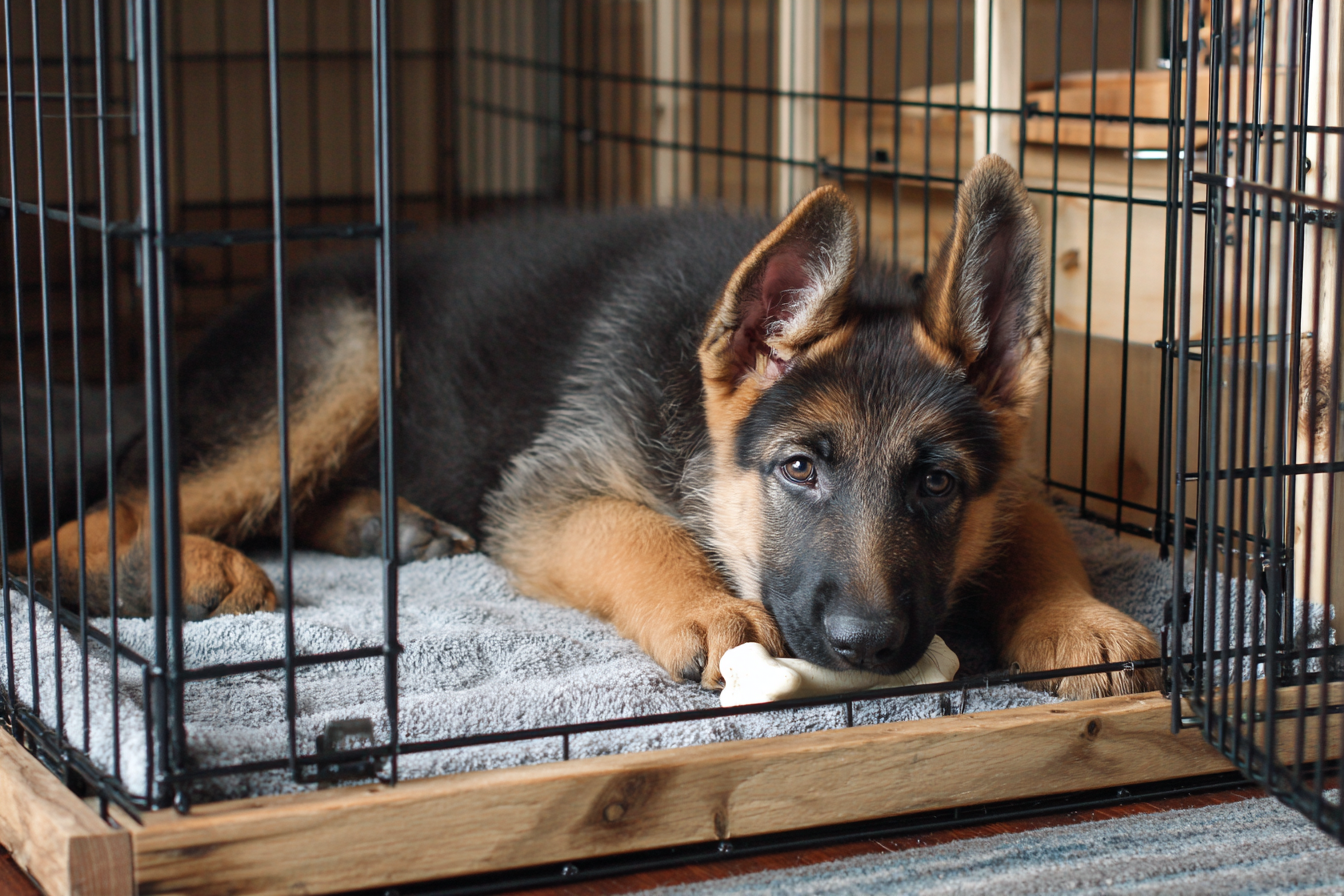
It is essential to shift your perspective from seeing the crate as a cage to understanding it as your dog’s personal bedroom. Dogs are naturally den animals; they seek out small, secure spaces to feel safe and rest. A properly introduced crate satisfies this instinct.
The benefits are immense:
- House Training: Dogs naturally avoid soiling their sleeping area. Using a crate is a powerful tool for reinforcing bladder control and preventing accidents overnight.
- Safety: It keeps your dog safe from household hazards like electrical cords or toxic substances when you cannot supervise them.
- Security: It provides a secure retreat during stressful situations like thunderstorms or loud gatherings.
- Management: It aids in preventing destructive chewing of furniture and belongings, especially in puppies.
- Peaceful Sleep: Mastering crate training your dog at night means everyone, including your dog, gets the uninterrupted sleep they need.
The Foundation: Creating a Positive Association
Before you even think about closing the door, the goal is to make the crate the most wonderful place in the house. Rushing this step is the most common mistake people make. Renowned veterinarian and animal behaviorist Dr. Ian Dunbar emphasizes the importance of making the crate a “home within a home” through positive reinforcement.
Start by placing the crate in a common area, like the living room, with the door securely propped open. Make it inviting with a soft, washable bed or blanket. Throughout the day, casually toss high-value treats or your dog’s favorite toys inside. Let them explore it freely, going in and out as they please. You can also feed their meals inside the crate, placing the bowl all the way at the back. For faster progress, consider using crate training your puppy with treats and positive reinforcement to make the experience even more enjoyable.
A Step by Step Guide to Crate Training at Night
The first nights are often the most challenging. The key is patience, consistency, and managing your own expectations. Your puppy has just left the warmth of its mother and littermates, so some initial distress is normal.
Step 1: Perfect Placement
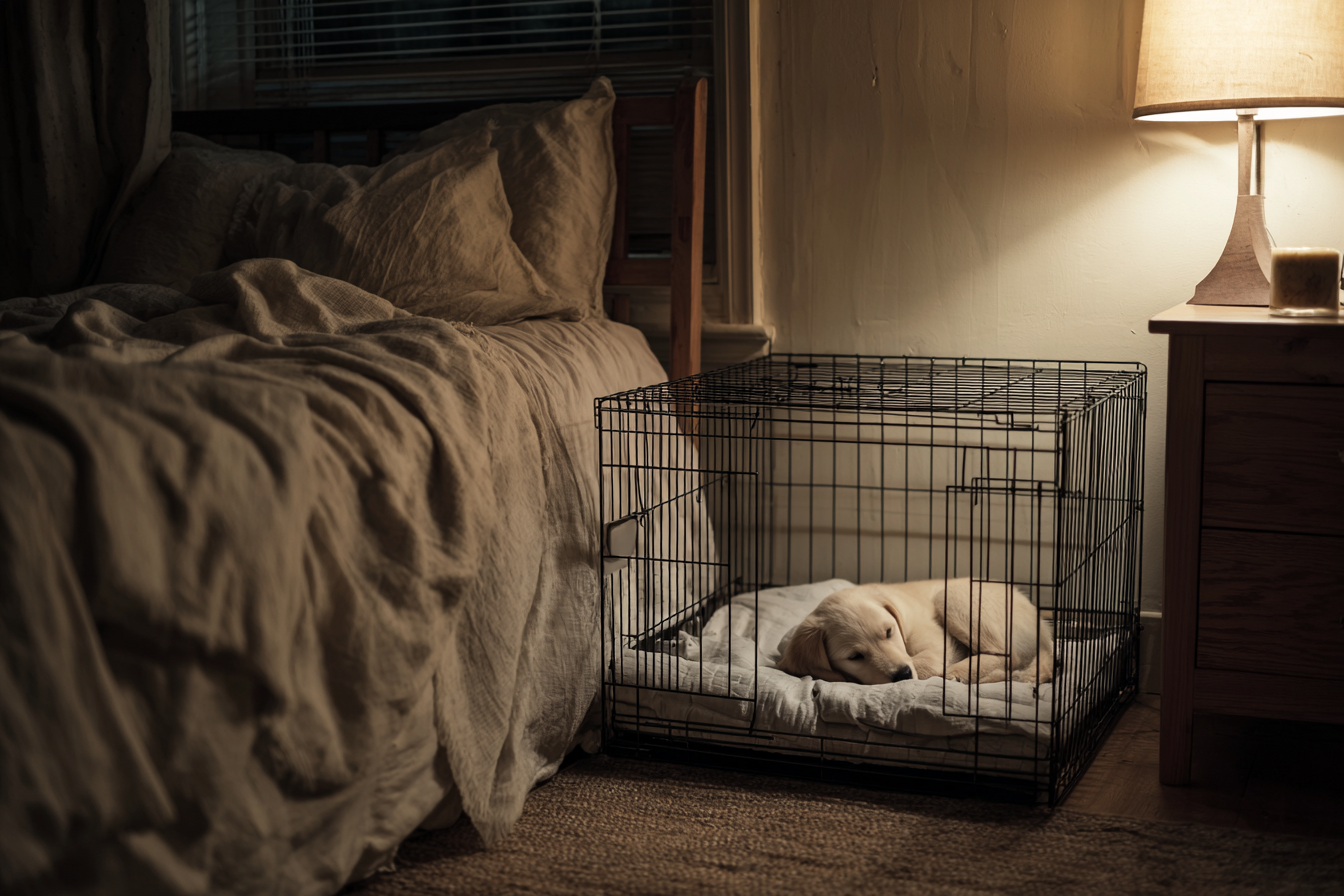
For the first few weeks, place the crate in your bedroom, right next to your bed. This allows your puppy to hear and smell you, providing immense comfort and reducing anxiety and whining. The goal of crate training a puppy at night is to minimize loneliness, not to teach isolation from day one.
Step 2: Establish a Calm Bedtime Routine
An hour before bed, pick up the water bowl. Right before bed, take your puppy out for one last, thorough potty break. Keep this trip all business no play. Once they have relieved themselves, calmly bring them inside and guide them into their crate with a special treat.
Step 3: Create a Soothing Environment
Make the crate comfortable and dim. You can drape a light blanket over the top and sides of a wire crate to make it more den-like, ensuring plenty of air can still circulate. For additional comfort and calm, focus on creating a den-like crate environment for your puppy. A soft, ticking clock or a white noise machine placed nearby can mimic the sound of a heartbeat and drown out unsettling household noises.
Step 4: Responding to Whining
If your puppy whines, it is crucial to determine the cause. If it has been a few hours, they likely need a potty break. Take them outside immediately, keep it boring and quiet, and then return them to the crate. If they have just been out, they may be protesting. Avoid letting them out while they are crying, as this teaches them that whining works. A better approach, as suggested by dog behaviour expert Cesar Millan, is to project calm, assertive energy. You can try softly speaking to them or placing your fingers near the crate for comfort, but the goal is to reward quiet behavior, not noisy demands.
Crate Training While You Are Away at Work
Leaving your dog in a crate while you work requires careful planning to ensure their physical and mental well-being. The cornerstone of this is ensuring the crate is never used for an excessive duration. A general rule is that a puppy can hold its bladder for one hour per month of age, plus one.
Step 1: A Rigorous Pre Departure Routine
Before crating your dog for the day, you must provide ample exercise and mental stimulation. A long walk, a training session, or a vigorous play period will help them settle down. Always, always take them for a final potty break right before they go in the crate.
Step 2: The Power of the Distraction
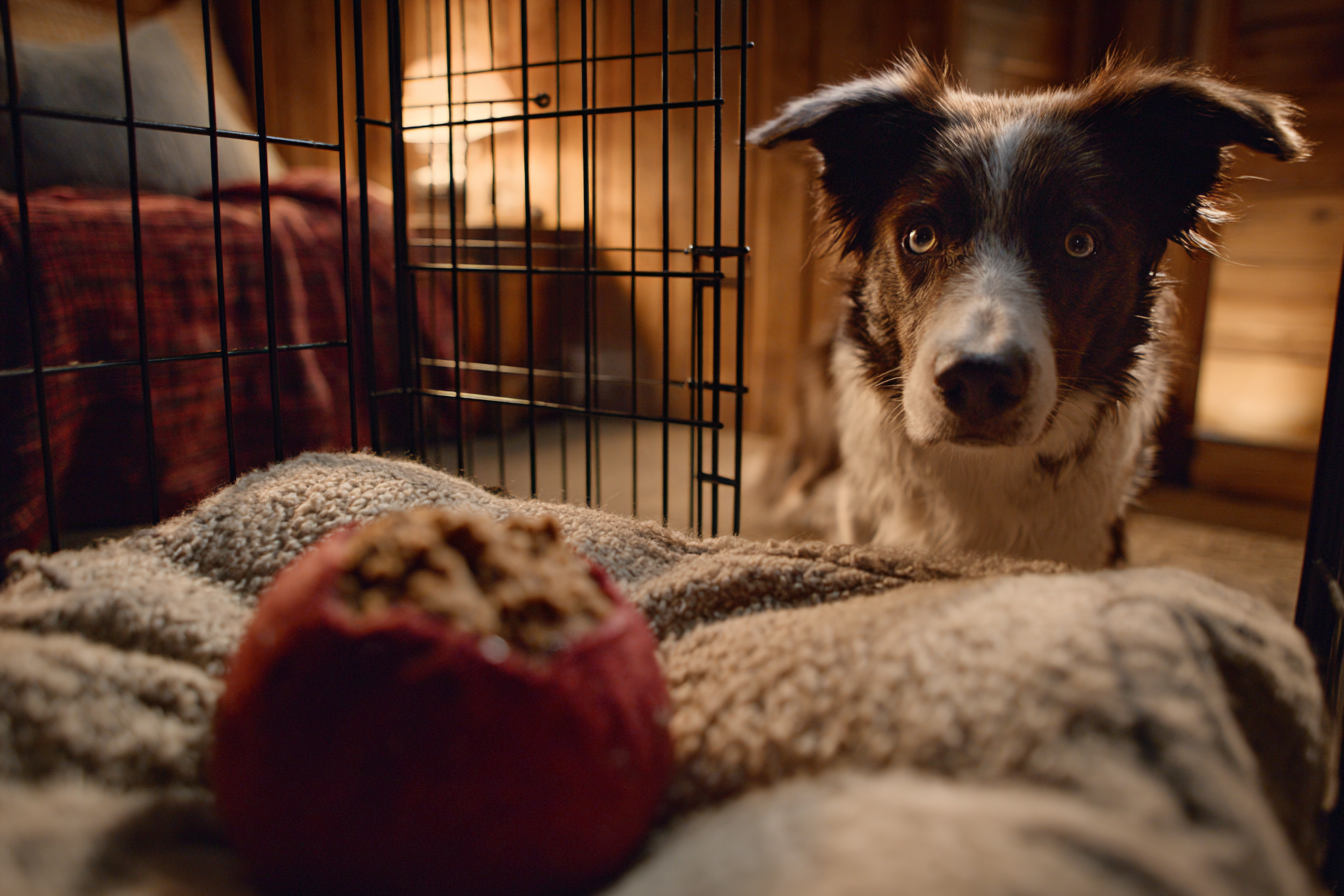
The best way to ensure a smooth departure is to give your dog a long-lasting, high-value distraction. A Kong toy stuffed with a mixture of wet food, peanut butter (xylitol-free), and frozen kibble is perfect. This creates a powerful positive association: “When mom leaves, I get this amazing treat!” It also keeps them occupied through the initial anxiety of your departure.
Step 3: Keep Departures and Arrivals Low-Key
Do not make a big, emotional production out of leaving or returning home. A prolonged, tearful goodbye can heighten your dog’s anxiety. Simply give them the distraction toy, calmly close the crate, and leave without fanfare. When you return, ignore your dog for the first few minutes until they are calm, then let them out and immediately take them outside to potty.
Step 4: Consider a Mid Day Break
For young puppies, being left alone for a full workday is too long. If you cannot come home yourself, it is essential to hire a dog walker or ask a neighbor to provide a midday potty break, play session, and some companionship.
Integrating the Crate into Your Daily Routine
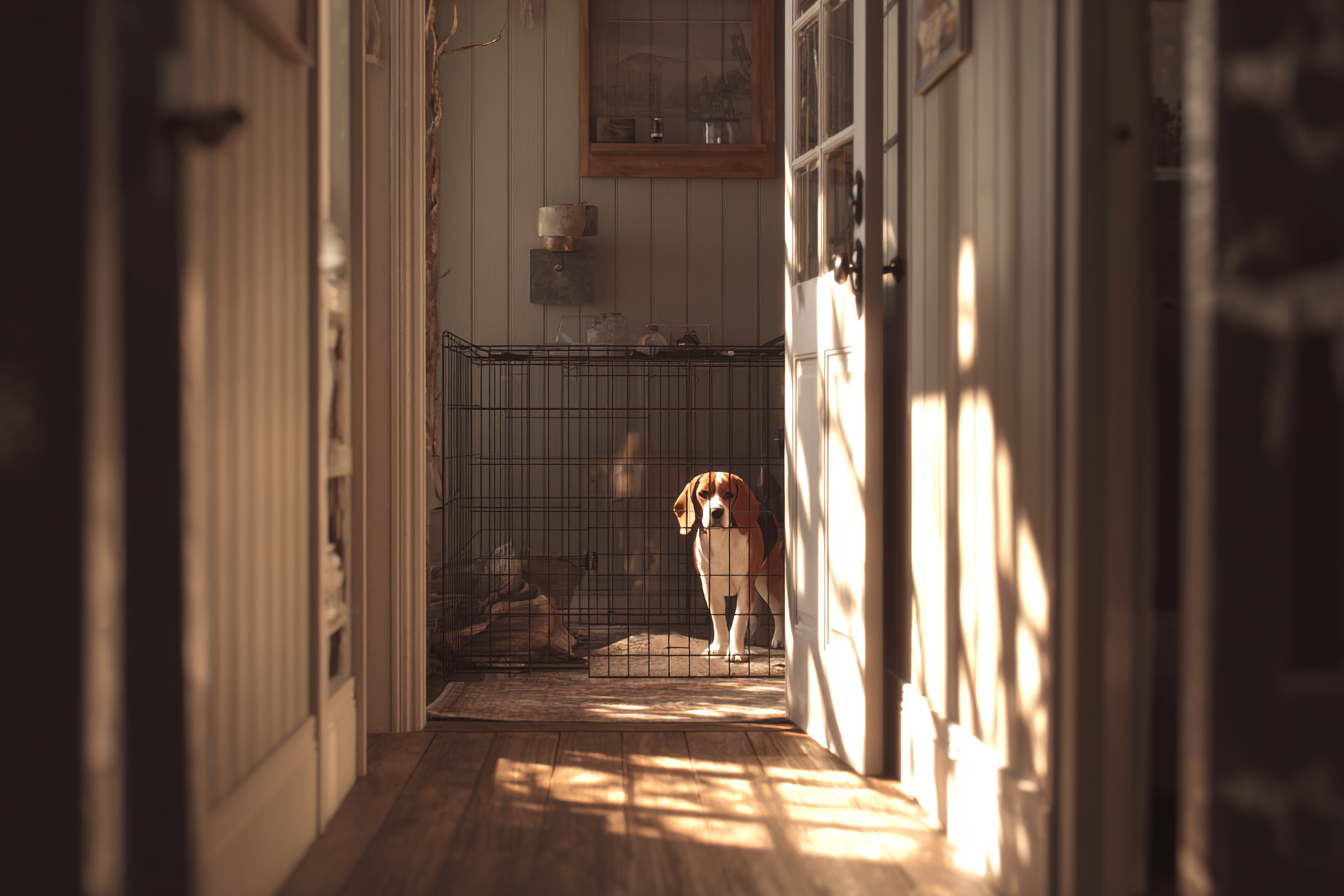
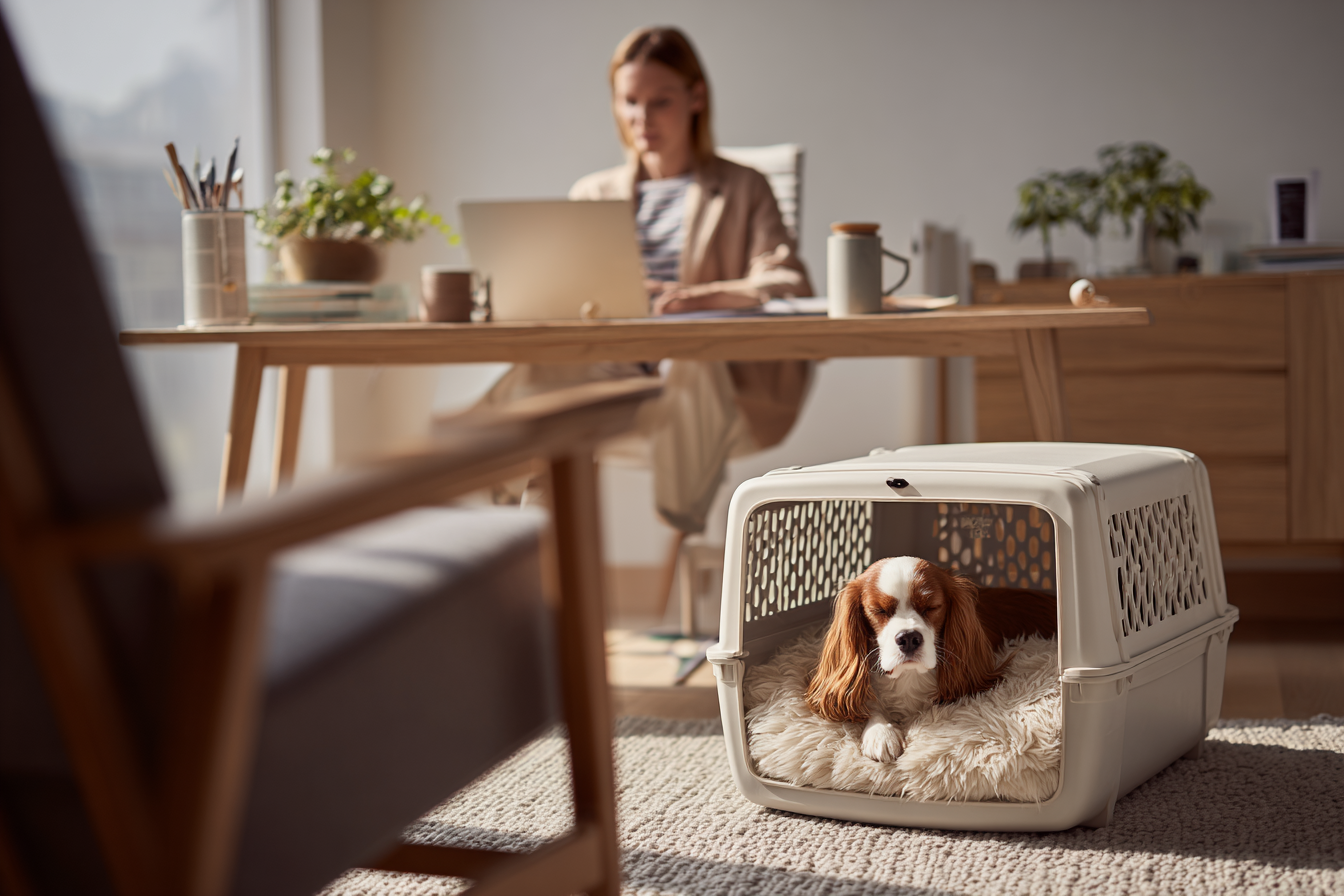
The crate should not be reserved only for nights and long absences. Use it during the day for short, positive sessions. This reinforces the idea that the crate is a normal part of life. When you are working from home, have your dog nap in their crate for an hour or two. When you are cooking dinner or have guests over, a crate with a tasty chew can give your dog a job and keep them out of trouble.
Troubleshooting Common Challenges
My Dog Hates the Crate: Go back to the foundation stage. You likely moved too fast. Spend a week just building positive associations without closing the door. Patience is non-negotiable.
Whining and Barking: Ensure all physical needs are met. If they are, do not reward the behavior. Wait for a moment of quiet before approaching the crate. As certified professional dog trainer Karen Pryor advocates, you “catch” and reward the behavior you want, which is silence and calmness. You can also try using a clicker training method for crate training to mark quiet, calm moments effectively.
Accidents in the Crate: This is often a sign that the dog was left in the crate for too long, or the crate is too large. If a crate is too big, a puppy can soil one corner and sleep in the other. Use a divider panel to make the space just big enough for them to stand up, turn around, and lie down comfortably.
Final Thoughts:
Successfully learning how to crate train your dog at night and during the day is a journey that builds trust and understanding between you and your pet. It is a commitment to providing them with security and structure. There will be challenging moments, but with consistency, positivity, and a focus on your dog’s well-being, the crate will transform from a simple box into a beloved safe haven, giving you both the freedom and peace of mind you deserve. If you’re working with an adult pet, see our guide on crate training older and adult dogs who are new to crates for extra tips.