
Crate Training Older and Adult Dogs: Is It Too Late?
TrainDogBuddy Team
Professional Dog Mentors
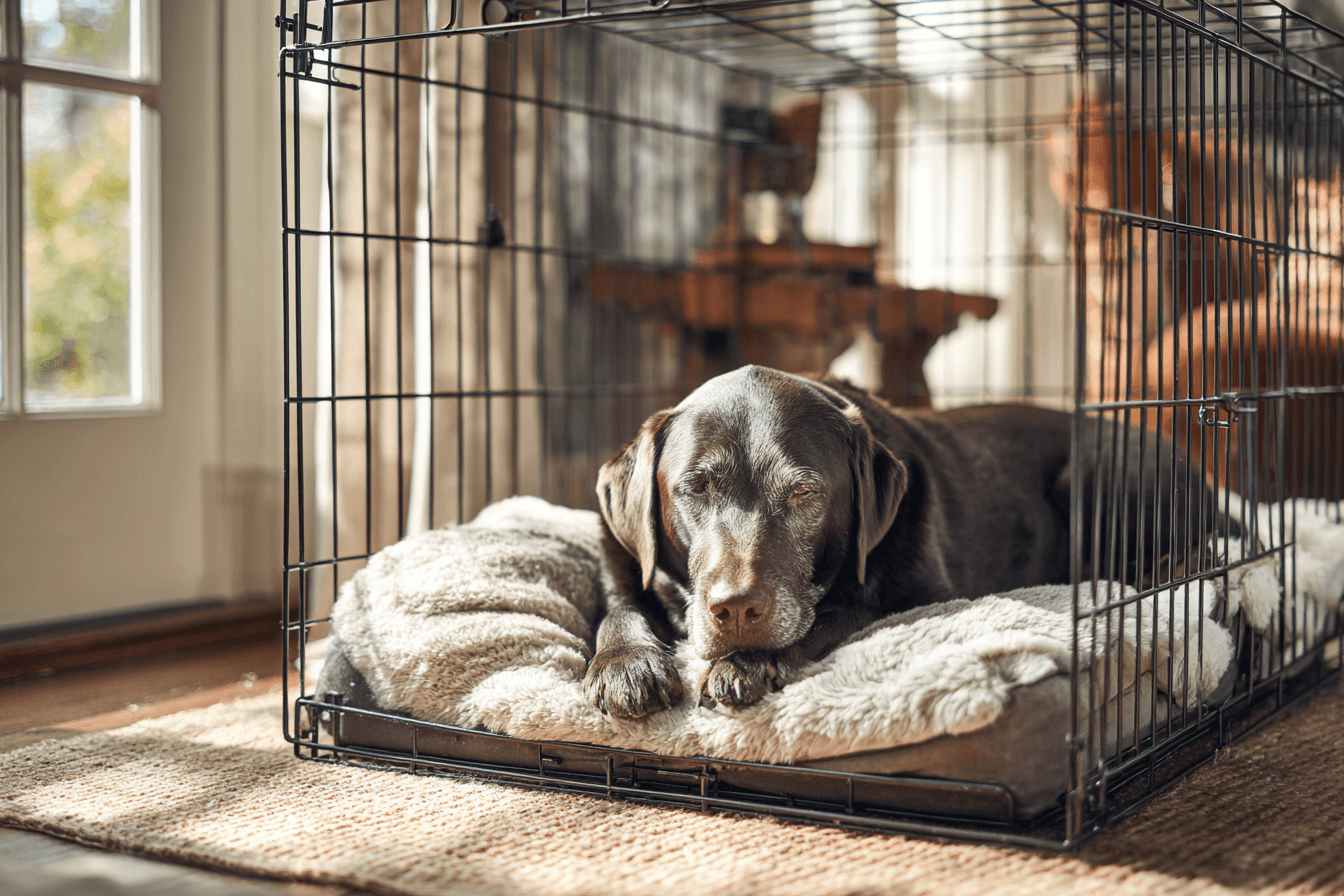
In fact, crate training adult dogs can transform chaotic routines into peaceful ones, offering security and structure. Drawing from timeless training wisdom like Karen Pryor’s emphasis on positive reinforcement in Don’t Shoot the Dog! and Patricia McConnell’s insights into dog emotions in The Other End of the Leash, we’ll dive into why and how to make this work. Whether you’re searching for “how to crate train older dog” or tips to “crate train adult dog,” this guide will equip you with practical, heartwarming strategies to turn the crate into your dog’s favorite spot.
Imagine adopting a grizzled Labrador mix who’s spent years roaming free, only to find he chews the couch when left alone. Or picture your aging Beagle needing a safe haven during fireworks. Crate training isn’t about confinement it’s about creating a cozy den that taps into a dog’s natural instincts. As Jean Donaldson points out in “The Culture Clash,” understanding these instincts avoids misunderstandings between humans and hounds. Let’s shake off the myths and get your furry friend on board.
Debunking the Myth: Is It Really Too Late to Crate Train Older Dogs?
The biggest hurdle? That nagging doubt: “My dog is too set in her ways.” Spoiler: Dogs’ brains stay flexible lifelong, much like ours. Sure, puppies might pick up habits faster, but older dogs bring maturity to the table they’re often calmer and more focused.
If you’re starting from scratch, reviewing how to crate train a puppy can give you a sense of foundational steps, many of which still apply to older dogs with slight modifications.
Pat Miller’s The Power of Positive Dog Training reminds us that rewards work wonders at any stage, turning skepticism into success stories.
Think about it: Many shelter dogs, well into their golden years, learn to love crates after gentle introductions. If your adult pup has baggage from bad experiences, like being crated punitively, start slow with treats and praise. For some inspiration, you can explore the crate training clicker method the same principles of timing and positive reinforcement apply beautifully to older dogs.
The Benefits of Crate Training Adult and Older Dogs

Why bother with crate training now? For starters, it gives your dog a personal retreat amid life’s hustle—think noisy kids or unexpected visitors. Patricia McConnell’s “For the Love of a Dog” highlights how crates can ease emotional stress, fostering a deeper bond.
Practically, it’s a game-changer for house manners. Older dogs might slip on potty training due to health tweaks, but a crate encourages holding it until outdoor time. If you’re dealing with potty regression, our comprehensive guide to potty training a puppy can help you adapt routines for adult dogs too.
Envision your dog voluntarily trotting into the crate for naps, tail wagging. That’s the magic of positive associations, as Karen Pryor describes. Crate-trained adults often handle changes better, from moves to new family members, boosting everyone’s happiness.
Preparing for Success: Choosing the Right Crate and Setup
Before you utter “crate train dog,” set the stage right. Pick a crate that’s roomy enough for standing and stretching but snug to feel secure oversized ones tempt accidents. Wire models offer airflow; plastic ones mimic dens for shy pups.
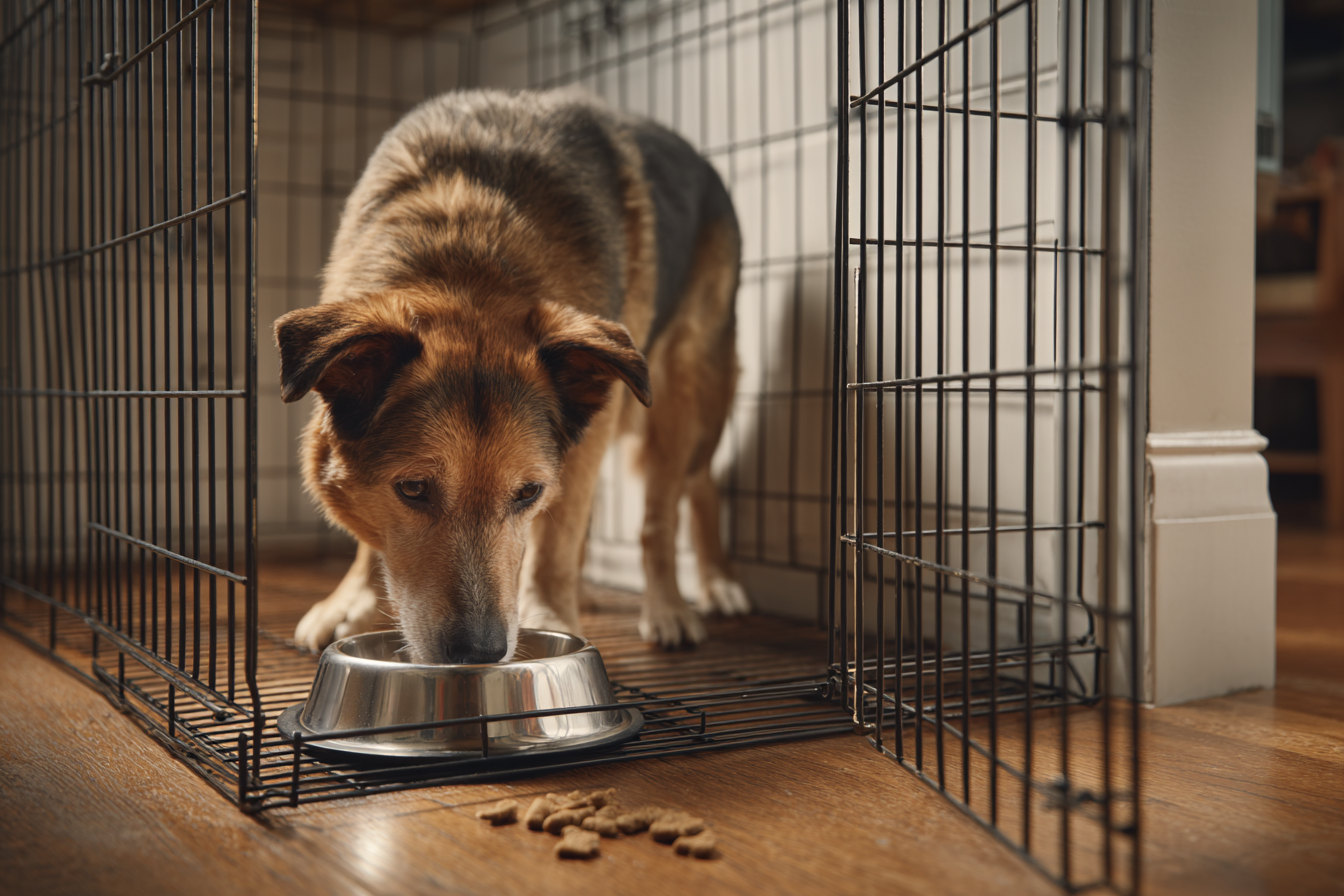
For more setup inspiration, check out crate training your puppy for a den environment the cozy, safe den concept works wonders for older dogs, too.
If your older dog has creaky joints, add orthopedic foam. A quick vet check ensures no underlying issues. This thoughtful prep makes “how to crate train adult dog” a smooth adventure.
Step-by-Step Guide: How to Crate Train Older Dogs
Ready to roll? This approachable plan, inspired by positive pros like Miller and McDevitt, breaks it down. Aim for short, fun sessions think 5-10 minutes to keep spirits high.
If you prefer a reward-based method, explore how to crate train a puppy with treats — the same gradual, positive process applies beautifully here.
Step 1: Spark Curiosity. Door open, scatter treats inside. Let your dog investigate at their pace. Praise every sniff or step in, building excitement.
Step 2: Dine in Style. Move meals progressively deeper into the crate. Soon, it’ll equal yummy times, erasing any wariness.
Step 3: Cue the Entry. Use a cheerful command like “kennel up!” Lure with a toy, reward fully entering. Watch for happy tails—McConnell’s body language tips help gauge comfort.
If you’re refining obedience along the way, integrating simple commands like sit and stay helps reinforce calm control during crate sessions.
Step 4: Door Practice. Close briefly while nearby, opening before fuss. Extend seconds to minutes, tossing treats for calm.
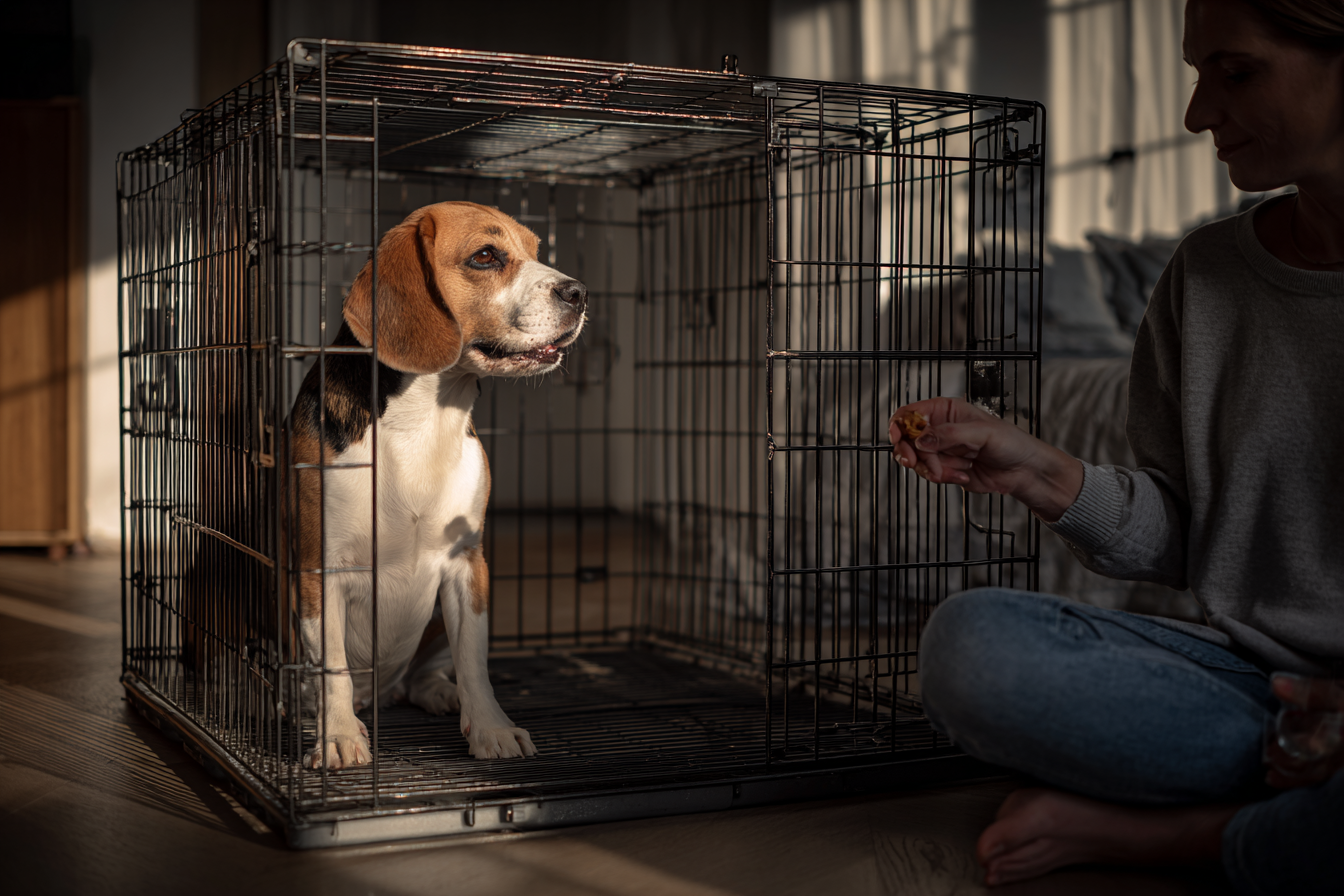
Step 5: Solo Time Trials. Step out briefly, return with fanfare. Gradually build to an hour, post-walk for tiredness.
Step 6: Real-World Wins. Use for errands or bedtime. If setbacks hit, rewind gently—no big deal.
Most older dogs nail this in weeks, emerging more confident. Celebrate milestones with extra cuddles!
Tips for Overcoming Challenges in Crate Training Adult Dogs
Bumps happen like persistent whining or Houdini escapes. For barkers, wait for quiet before rewarding; it teaches patience. Anxious souls? McDevitt’s focus games distract positively.
If nighttime issues crop up, crate training at night and while you’re away offers tailored guidance to create consistency and calm rest.
Cover the crate for a cave vibe, or add calming pheromones. If progress stalls, a trainer can tweak your approach. Remember, every dog is unique your persistence pays off in tail wags.
Common Mistakes to Avoid When You Crate Train Older Dogs
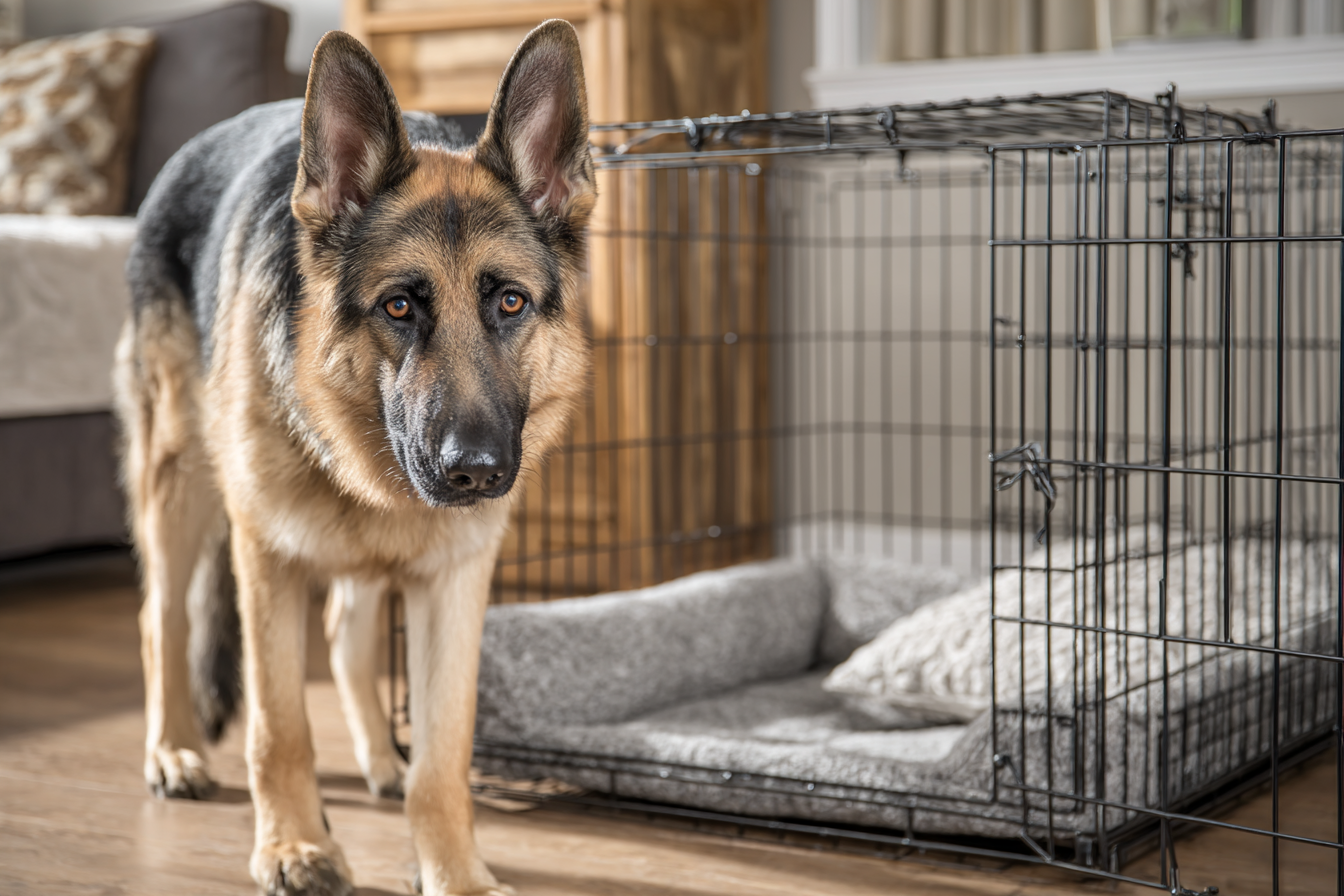
Steer clear of pitfalls: Never use the crate for timeouts it sours the vibe. Don’t rush; forcing entry breeds fear. Limit sessions adults max out at 4-6 hours.
Overlook stress signals? Big no ears back or panting means pause. Ditch old-school scolding; positive vibes from Pryor and crew foster trust. Avoid inconsistency; everyone in the house must follow the plan.
Conclusion:
Crate training older dogs isn’t just doable it’s rewarding, strengthening your connection through kindness. Armed with these tips on “how to crate train older dog,” you’ll see your adult pup embrace their den with gusto. Start small, stay positive, and enjoy the journey. Who knows? Your “old” dog might just teach you a trick or two.
Need a personal trainer for your dog?
Find the best certified professionals in your area and start training today.