
Comprehensive Guide to Potty Training a Puppy: Three Detailed Methods
TrainDogBuddy Team
Professional Dog Mentors
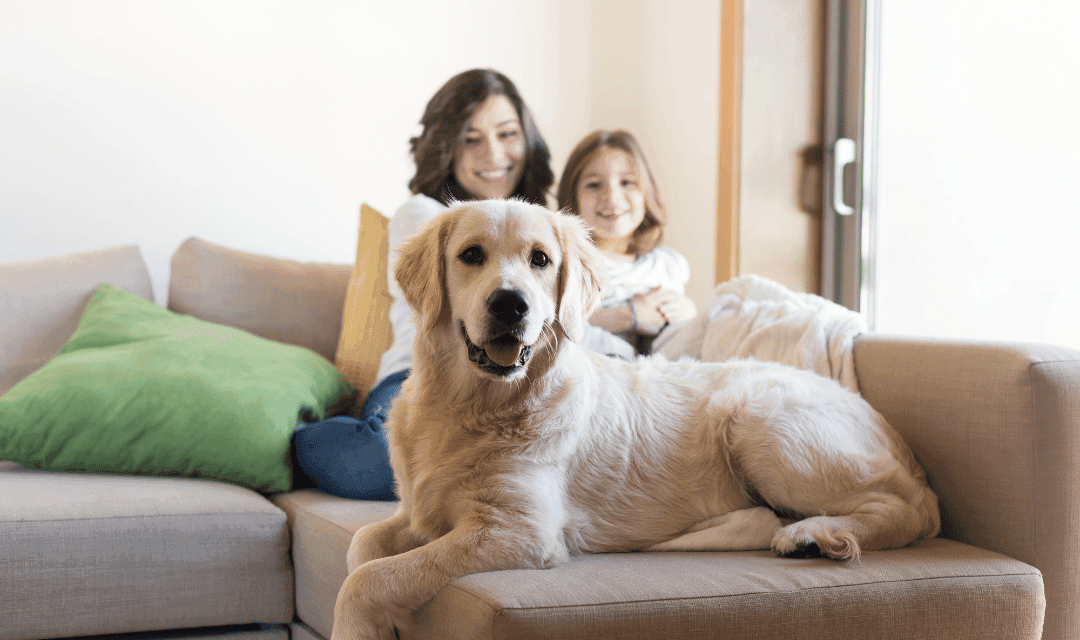
Potty training is a critical step in raising a well-behaved puppy, fostering a harmonious relationship between you and your pet. The following three methods—clicker training, tethering, and cue training—offer distinct approaches to housebreaking, each rooted in positive reinforcement to encourage your puppy to eliminate outside. These methods are designed to be clear, detailed, and adaptable to various puppy temperaments and owner lifestyles. Below, we outline three methods with step-by-step instructions, practical tips, and troubleshooting advice to ensure success in how to potty train your puppy.
Whether you’re new to puppy training or looking to refine your techniques, understanding how to potty train your dog effectively combines patience, consistency, and positive methods—as Dr. Ian Dunbar underscores in his “Good Little Dog Book,” where he warns that allowing puppies to soil the house can lead to persistent adult habits, making early potty training essential to prevent mistakes and promote self-house training. Similarly, Karen Pryor emphasises in her teachings that training fundamentals like housebreaking are “not a luxury, but a key component to good animal care,” as vital as vaccinations and nutrition for your pet’s well-being. This guide highlights obedience training alongside potty training, helping you potty train your puppy while building trust. By incorporating these strategies, you’ll achieve dog obedience training goals and enjoy a mess-free home.
From basic puppy obedience training to advanced tips, these approaches make potty train dog efforts straightforward. Let’s dive into the methods to help you potty train puppy with ease.
Method 1: Clicker Training for Potty Training
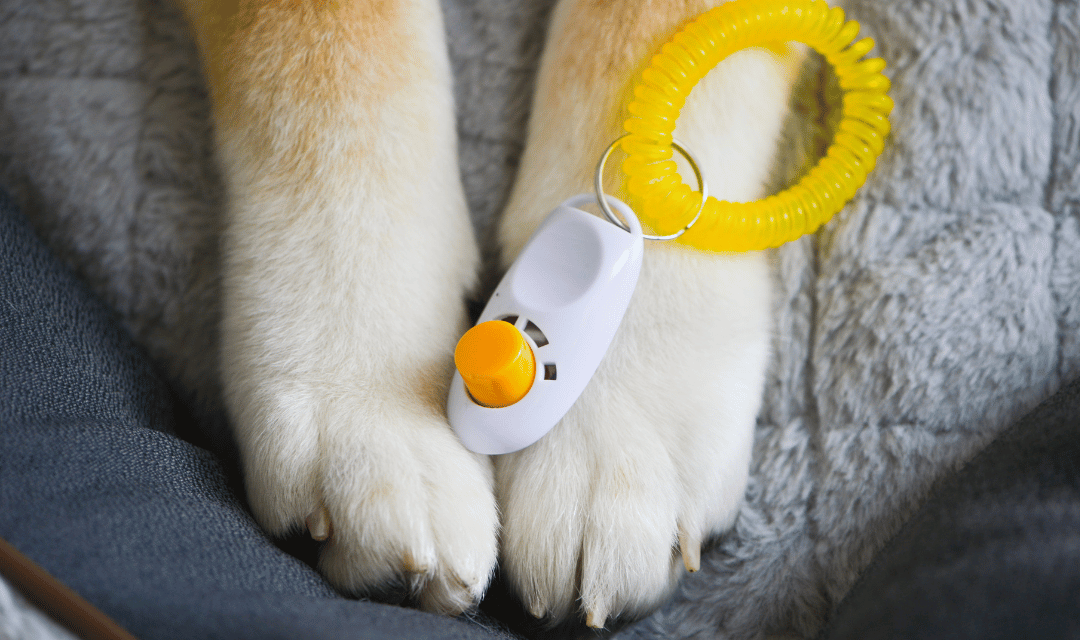
Clicker training leverages a distinct sound to mark the precise moment a desired behaviour occurs, followed by a reward. This method is highly effective for potty training as it clearly communicates to the puppy what action is being rewarded, promoting quick learning and supporting overall obedience training.
Steps
- Prepare the Clicker and Treats:
- Obtain a clicker, a small device that makes a distinct clicking sound, and small, high-value treats your puppy loves (e.g., tiny pieces of chicken or commercial training treats).
- Keep these items easily accessible, such as in a pocket or a treat pouch, for immediate use during potty breaks.
- Choose a Designated Potty Area:
- Select a specific outdoor spot, such as a corner of your backyard, for the puppy to eliminate. Consistency in location helps the puppy associate this area with potty time.
- Ensure the area is easily accessible and free from distractions like loud noises or other animals.
- Establish the Schedule:
- Take the puppy to the potty area frequently: every hour for young puppies (8-12 weeks), as well as after meals, naps, play sessions, and first thing in the morning or last thing at night.
- Puppies have small bladders, so frequent trips are essential to prevent accidents.
- Use the Clicker:
- When you take the puppy to the potty area, wait patiently for it to start eliminating (urinating or defecating).
- As soon as the puppy begins to eliminate, click the clicker once to mark the behavior.
- Immediately follow the click with a treat and enthusiastic praise (e.g., “Good puppy!”) to reinforce the action.
- Introduce a Verbal Cue (Optional):
- Once the puppy consistently eliminates in the designated area, introduce a verbal cue like “Go Potty” or “Do Your Business.”
- Say the cue calmly just before the puppy starts to eliminate, then click and treat as usual.
- Over time, the puppy will associate the cue with the action, allowing you to prompt elimination.
- Supervise Indoors:
- When inside, keep the puppy in sight at all times. Use a crate or a small, puppy-proofed area (e.g., a gated kitchen) when you cannot supervise.
- Watch for signs that the puppy needs to go, such as sniffing, circling, whining, or squatting, and immediately take it to the potty area.
- Handle Accidents Calmly:
- If the puppy has an accident indoors, do not punish or scold it, as this can create fear and confusion, potentially leading to hidden elimination spots.
- Clean accidents thoroughly with an enzymatic cleaner to remove odors, preventing the puppy from returning to the same spot.
- Gradually Increase Freedom:
- As the puppy becomes reliable in eliminating outside (typically after several weeks of consistency), gradually allow more freedom indoors, starting with short periods of off-leash time in one room.
- Continue to reinforce outdoor elimination with clicks and treats to maintain the behavior.
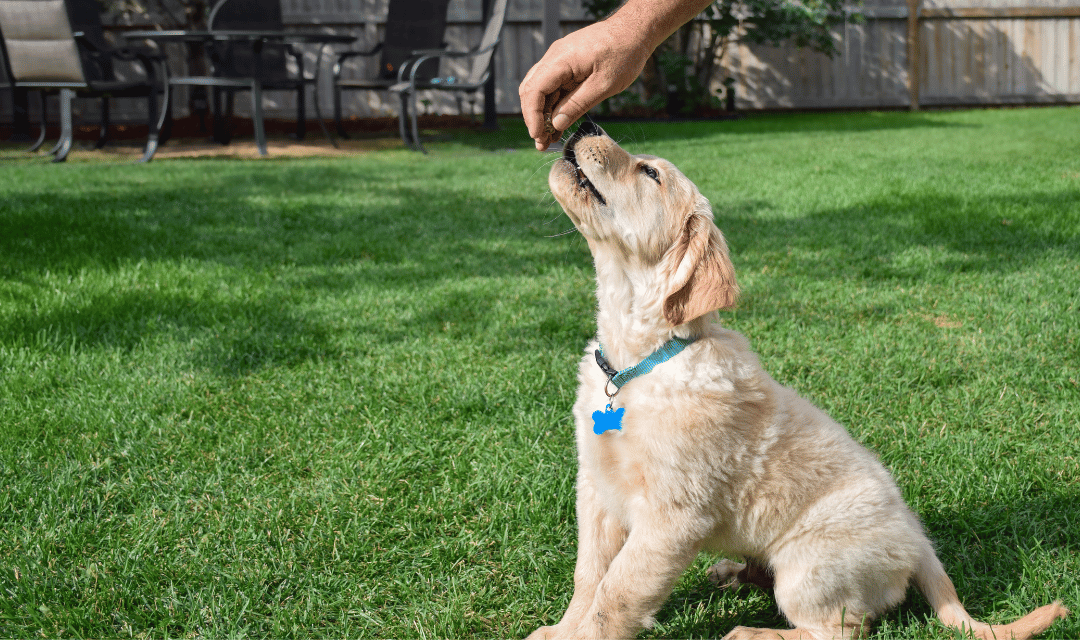
If you’re new to this method, see how to potty train your puppy with clicker training for a step-by-step approach to timing, rewards, and building confidence.
Tools and Tips
- Crates: Use a crate just large enough for the puppy to stand, turn, and lie down comfortably. Cover the crate floor with a soft pad for comfort. Introduce the crate gradually by tossing treats inside and closing the door for short periods.
- Enzymatic Cleaners: Products like Nature’s Miracle are effective for removing urine and feces odors.
- Troubleshooting: If accidents persist, check for medical issues like urinary tract infections. Consult a veterinarian if the puppy has frequent accidents or loose stools.
| Tool | Purpose |
| Clicker | Marks the exact moment of elimination for clear communication. |
| Treats | High-value rewards to reinforce outdoor elimination. |
| Crate | Prevents accidents when unsupervised; mimics a den environment. |
| Enzymatic Cleaner | Removes odors to prevent repeat accidents in the same spot. |
Method 2: Tethering for Potty Training
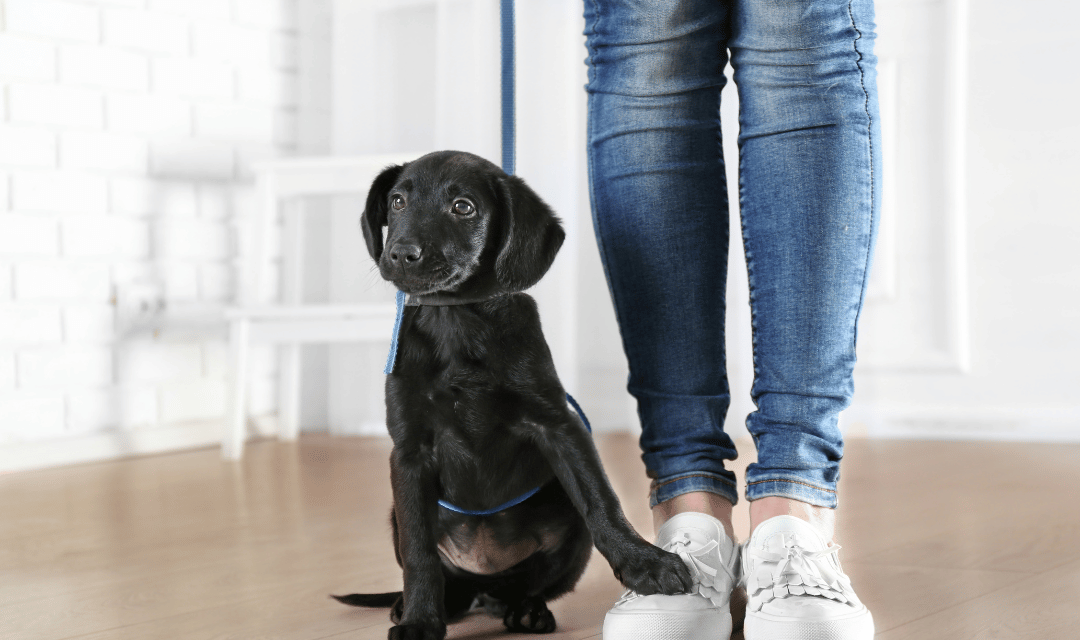
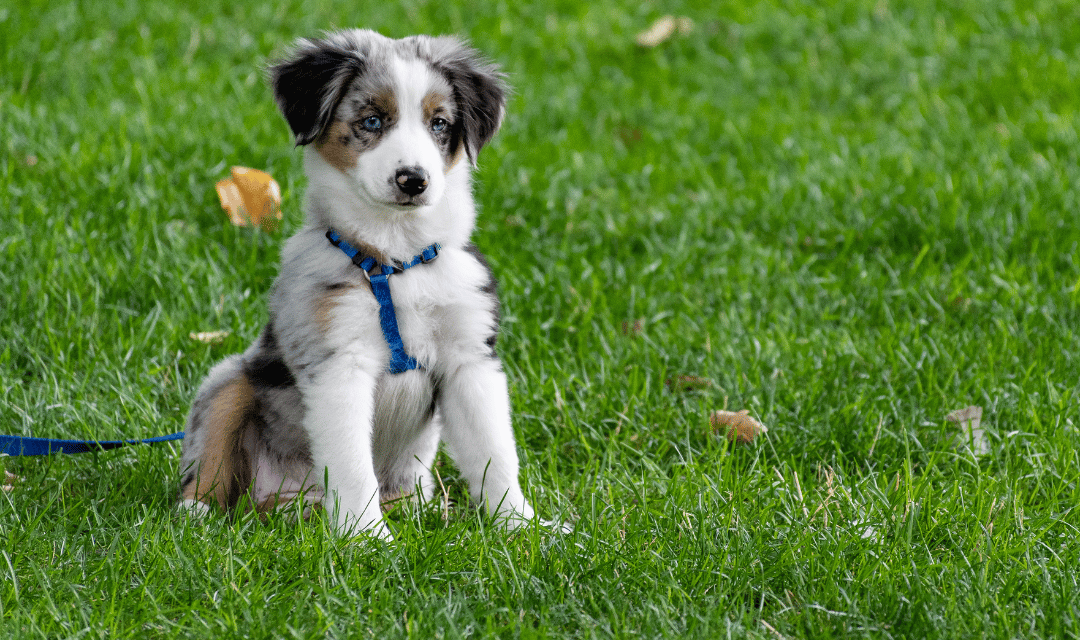
Tethering involves keeping the puppy physically close to you using a leash, enabling close supervision and immediate response to elimination cues. This method is ideal for owners who can dedicate time to constant monitoring, enhancing puppy training and dog obedience training.
Steps
- Use a Leash Indoors:
- Attach a lightweight leash (4-6 feet long) to the puppy’s flat-buckle collar and secure the other end to your belt or hold it.
- This prevents the puppy from wandering off and having accidents unnoticed.
- Establish a Potty Schedule:
- Take the puppy to the designated outdoor potty area every 1-2 hours, as well as after eating, drinking, napping, or playing.
- For very young puppies (8-10 weeks), hourly trips may be necessary due to limited bladder control.
- Reward Success:
- When the puppy eliminates outside, immediately praise it (e.g., “Good job!”) and offer a treat to reinforce the behavior.
- Ensure rewards are given within seconds of elimination to create a strong association.
- Watch for Signs:
- While tethered, observe the puppy for signs it needs to eliminate, such as sniffing, circling, or sudden restlessness.
- If these signs appear, calmly but quickly take the puppy to the potty area.
- Use Confinement When Necessary:
- When you cannot supervise (e.g., during sleep or when leaving the house), place the puppy in a crate or an exercise pen with a crate, bedding, and a designated potty area (e.g., pee pads for very young puppies).
- Ensure the crate is appropriately sized to discourage soiling.
- Clean Accidents Properly:
- If an accident occurs, clean it thoroughly with an enzymatic cleaner without scolding the puppy.
- Avoid harsh corrections, as they can lead to anxiety and hinder training progress.
- Gradually Increase Freedom:
- As the puppy consistently eliminates outside (typically after 4-6 weeks), allow short periods off-leash indoors, gradually increasing as reliability improves.
- Continue to supervise closely during this transition.
Tools and Tips
- Leash: A lightweight leash ensures the puppy stays close without discomfort.
- Exercise Pen: Provides more space than a crate for puppies left alone for longer periods, with a designated potty area.
- Baby Gates: Restrict access to non-puppy-proofed areas to prevent accidents.
- Troubleshooting: If the puppy resists tethering, introduce the leash gradually with treats to create a positive association.
| Tool | Purpose |
| Leash | Keeps the puppy close for constant supervision. |
| Crate/Exercise Pen | Prevents accidents during unsupervised periods. |
| Baby Gates | Limits access to areas where accidents could occur. |
| Enzymatic Cleaner | Eliminates odors to prevent repeat accidents. |
For more hands-on direction, check out how to potty train your puppy using the tethering method it provides practical timing tips and troubleshooting guidance.
Method 3: Cue Training for Potty Training
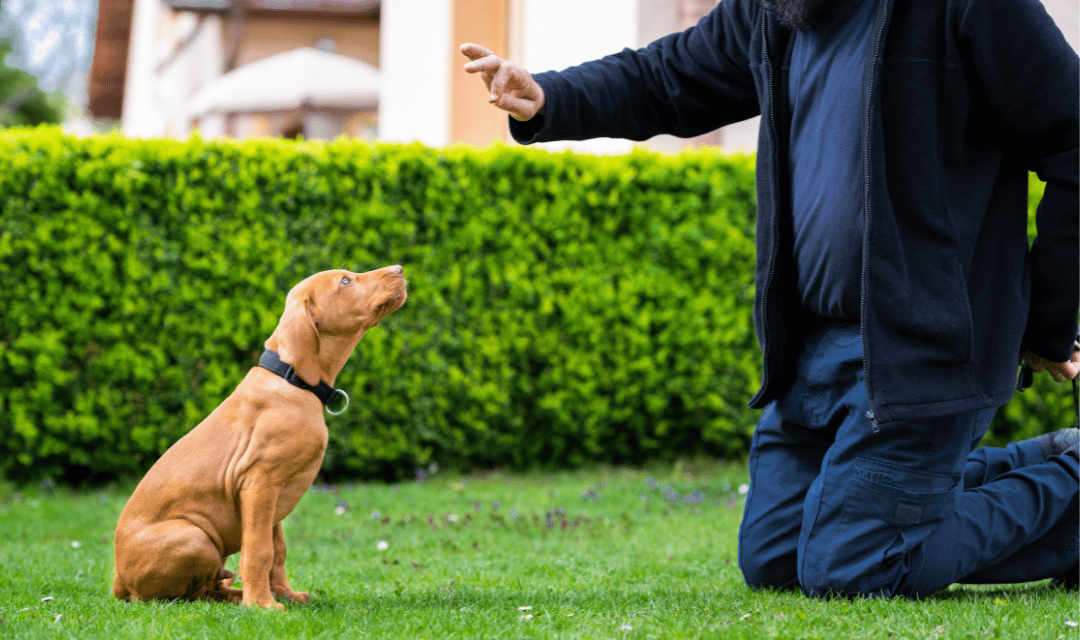
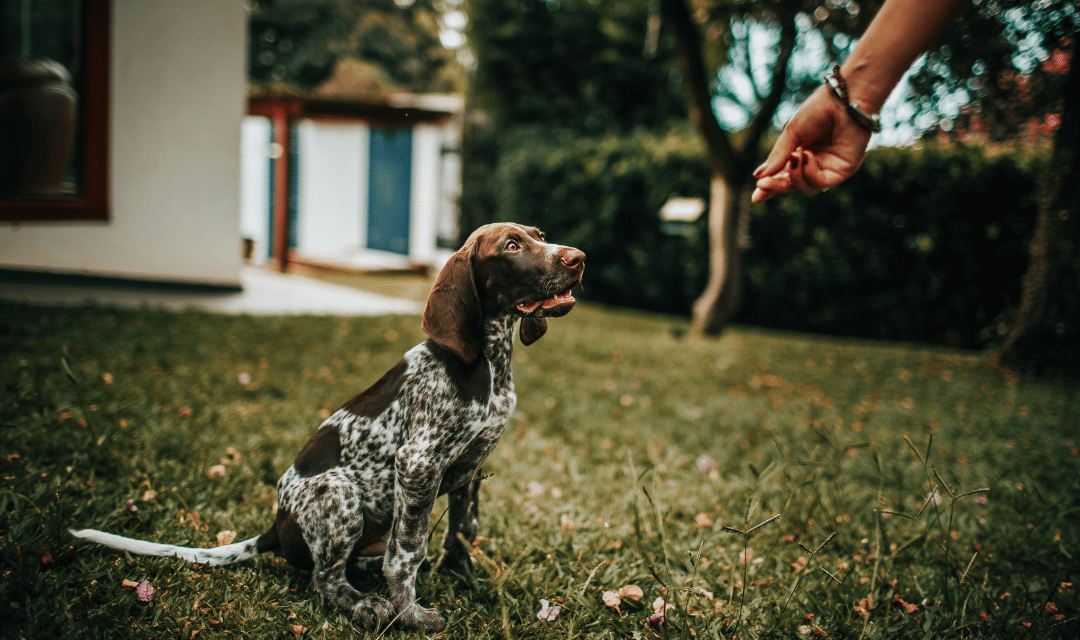
Cue training teaches the puppy to eliminate on a verbal command, making potty breaks efficient and convenient. This method is particularly useful for owners who want to prompt elimination in specific situations, like before travel, and integrates well with puppy obedience training.
Steps
- Choose a Cue Word:
- Select a consistent phrase, such as “Go Potty” or “Do Your Business,” to use every time the puppy eliminates.
- Time the Cue:
- Take the puppy to the designated potty area on a regular schedule (every 1-2 hours, after meals, etc.).
- Just as the puppy is about to eliminate (watch for squatting or sniffing), calmly say the cue word.
- Reward Immediately:
- As soon as the puppy finishes eliminating, praise enthusiastically and offer a treat to reinforce the behavior.
- Timing is critical to associate the reward with the action.
- Practice Consistently:
- Use the cue word every time you take the puppy out to eliminate.
- Consistency helps the puppy learn to associate the cue with the action.
- Practice in Different Locations:
- Once the puppy responds to the cue in the usual potty area, practice in other locations (e.g., a park or a friend’s yard) to generalize the behavior.
- This ensures the puppy understands the cue applies universally.
- Supervise and Manage Indoors:
- Monitor the puppy closely indoors, watching for signs it needs to go.
- Use a crate or small area when you cannot supervise to prevent accidents.
- Handle Accidents Calmly:
- Clean accidents with an enzymatic cleaner without punishing the puppy.
- Punishment can confuse the puppy and delay learning the cue.
- Patience and Persistence:
- It may take weeks for the puppy to reliably respond to the cue.
- Continue to reinforce with rewards and maintain a consistent schedule.
Tools and Tips
- Treats: Use high-value treats to motivate the puppy to respond to the cue.
- Consistency: Always use the same cue word to avoid confusion.
- Troubleshooting: If the puppy doesn’t respond to the cue, ensure you’re timing it correctly (just before elimination) and consult a trainer if progress stalls.
| Tool | Purpose |
| Treats | Reinforces the association between the cue and elimination. |
| Crate | Prevents accidents when unsupervised. |
| Enzymatic Cleaner | Removes odors to prevent repeat accidents. |
| Consistent Schedule | Helps the puppy learn when and where to eliminate. |
Learn how to apply this verbal cue method effectively with cue-based potty training for puppies it’s ideal for advanced owners who want to improve communication and timing.
General Tips for Success
- Consistency is Key: All methods rely on a regular schedule and consistent reinforcement to build habits in potty training.
- Avoid Punishment: Harsh corrections can create fear, leading to hidden elimination or anxiety during puppy training.
- Medical Checks: Persistent accidents may indicate medical issues like urinary tract infections. Consult a veterinarian if accidents continue despite consistent efforts to potty train your dog.
- Patience: Puppies typically take weeks to months to become fully housebroken, depending on age and breed, as part of effective obedience training.
- Use Crate Training: A crate mimics a den and helps prevent accidents when unsupervised start gently with crate training basics for puppies if you haven’t introduced one yet.
- Bonding: Use potty training as an opportunity to build trust and strengthen your relationship with your puppy through positive puppy obedience training.
Resources
For additional guidance on how to potty train your puppy, explore reputable sources like:
- American Kennel Club: How to Potty Train a Puppy
- Humane Society: Potty Training Tips
By following these methods with dedication and patience, you can successfully potty train puppy, creating a clean and happy home environment while mastering dog obedience training.
Need a personal trainer for your dog?
Find the best certified professionals in your area and start training today.