
Canine Aggression Training: Preventing Aggression in Puppies and Managing It in Adult Dogs
TrainDogBuddy Team
Professional Dog Mentors
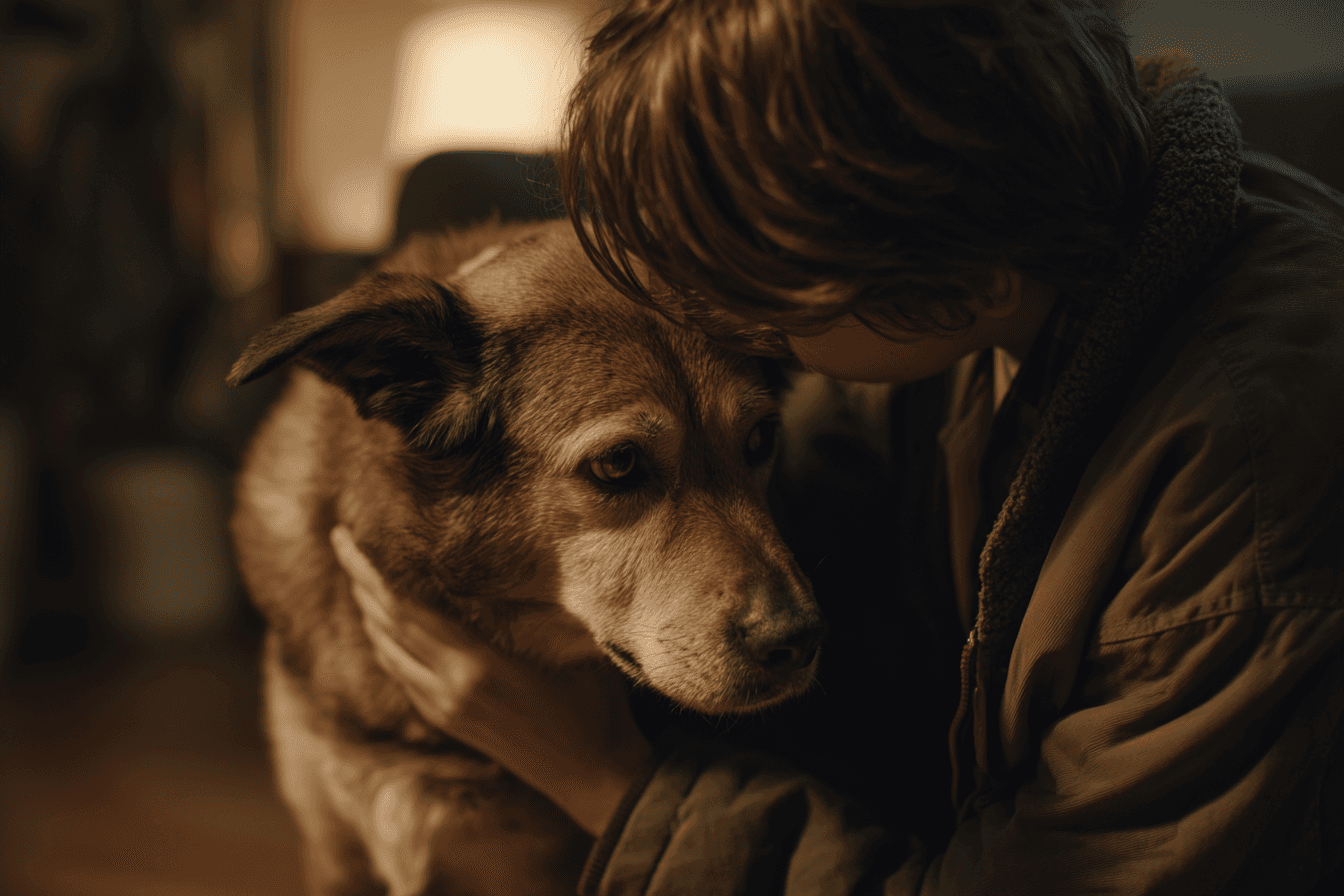
Canine aggression remains one of the most concerning behaviors dog owners face, yet it is also one of the most misunderstood. Whether you are dealing with a young puppy showing early warning signs or an adult dog with established aggressive patterns, understanding the root causes and implementing proper obedience training of dog protocols can transform your relationship with your canine companion. This comprehensive guide explores the psychology behind dog aggression, prevention strategies for puppies, and effective control methods for adult dogs.
Introduction to Canine Aggression Training and Its Link to Dog Obedience Basics
Canine aggression training is essential for fostering a safe and harmonious environment for both pets and their owners. By integrating dog obedience basics into your routine, you can prevent aggressive tendencies from developing in puppies and manage them effectively in adult dogs. Puppy obedience basics play a pivotal role in early intervention, while obedience training of dogs helps redirect established behaviors. Canine aggression, in its core, is not a diagnosis; it is a symptom of an underlying emotional state, most commonly fear, anxiety, frustration, or a perceived need to protect valuable resources. The most powerful tool we have to address this issue is not dominance or punishment, but a foundation of trust built through consistent, positive obedience training of dog and puppy. This comprehensive guide will dive deep into the psychology behind aggression and provide a detailed roadmap for prevention in puppies and management in adult dogs, drawing on the wisdom of renowned experts in the field.
Why Dogs Become Aggressive: The Psychology Behind It:
Dogs exhibit aggression for various reasons, often stemming from evolutionary instincts designed for survival. Psychologically, aggression can be a manifestation of the fight or flight response, where a dog perceives a threat and chooses confrontation over retreat. To effectively address aggression, we must first understand its roots. Dogs do not act out “out of spite.” Their behavior is communication. Aggression is a distance-increasing signal—the dog is using threats or force to make a scary, uncomfortable, or frustrating situation go away.
Common triggers include:
- Fear: This is the most common cause. A dog that feels trapped or threatened may resort to aggression to create space. This can be triggered by strangers, other dogs, loud noises, or even specific situations like veterinary visits.
- Resource Guarding: A dog may aggress to protect valuable items like food, toys, bones, a favorite resting place, or even a person.
- Frustration or Barrier Reactivity: Often seen as barking and lunging on a leash, this occurs when a dog is aroused by a stimulus (like another dog) but is prevented from reaching it. The leash creates frustration, which boils over into aggressive-looking displays.
- Pain or Medical Issues: Any sudden onset of aggression should first be addressed by a veterinarian. Pain from arthritis, dental disease, or internal issues can cause a normally placid dog to snap.
- Lack of Socialization: Puppies that are not exposed to a wide variety of people, places, sounds, and other animals positively during their critical developmental window (up to about 16 weeks) are more likely to develop fear-based aggression later in life.
Understanding this psychology is the first step. The next is building a framework of communication and trust through dog obedience basics that make your dog feel secure and understood.
Prevention is Paramount: Laying the Foundation with Puppy Obedience Basics
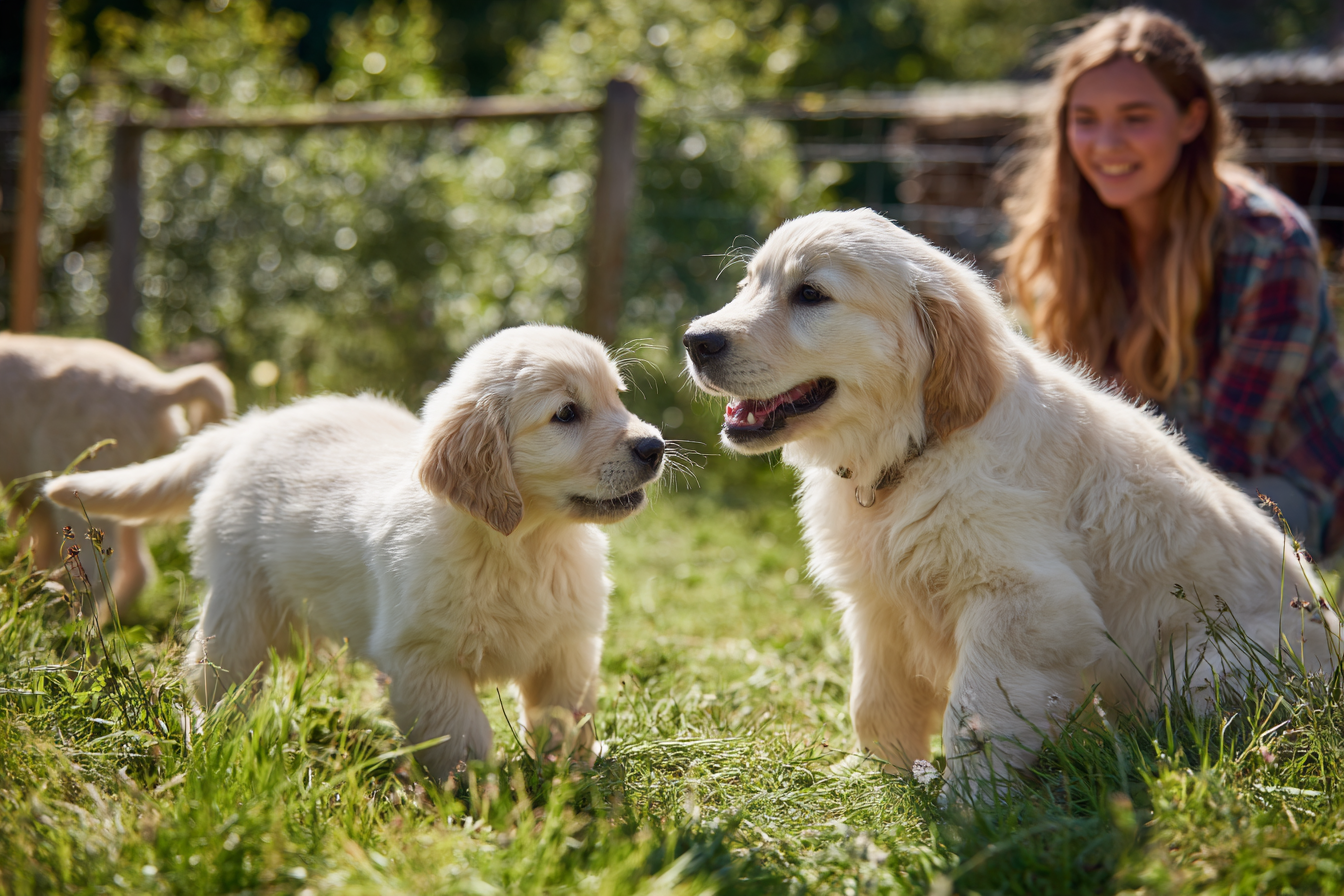
The best way to deal with aggression is to prevent it from ever developing. A puppy’s early months are a critical period for shaping a confident, well-adjusted adult dog. Puppy obedience training is not about drilling commands; it’s about teaching your puppy how to navigate the human world successfully.
This philosophy of early, positive intervention is championed by experts like Dr. Ian Dunbar, a veterinarian and animal behaviorist whose work revolutionized puppy obedience training. Dunbar emphasizes that socialization and bite inhibition must be prioritized before formal obedience. He advocates for using food lures from the very first day to teach sits, downs, and comes, thereby building a vocabulary and a powerful positive association with working with you. His “jolly routine”—where owners act happy and playful during minor scary events—teaches puppies to look to their owners for guidance rather than reacting with fear, laying a powerful anti-aggression foundation.
Socialization and Habituation: This is the cornerstone of aggression prevention. It involves carefully exposing your puppy to a vast array of novel stimuli in a positive, non-threatening way. This includes different types of people (men with beards, children, people wearing hats), surfaces (grass, tile, gravel), sounds (vacuum cleaners, traffic, thunderstorms), and other vaccinated, friendly puppies and dogs. The goal is to make novelty a positive, or at least a neutral, experience.
Bite Inhibition: Puppies explore the world with their mouths. Teaching bite inhibition is a crucial part of puppy obedience basics. When a puppy nips too hard during play, let out a high-pitched “Yelp!” and immediately stop play, turning away for 30 seconds. This mimics how littermates communicate and teaches the puppy that hard bites make the fun disappear. Never punish a puppy for mouthing; you are teaching them to control the pressure of their bite, not to never use their mouth.
Resource Guarding Prevention: From day one, make yourself the source of all good things. Practice hand-feeding portions of their meals. While they are eating, gently add a high-value treat (like a piece of chicken) into their bowl. This teaches them that a human hand near their food predicts something even better, not loss. The same can be done with toys and chews.
Managing and Modifying Aggression in Adult Dogs
When dealing with an adult dog that has already developed aggressive behaviors, the approach requires more management, patience, and often professional guidance. The core principles of dog obedience training remain your foundation, but they are applied with a deeper understanding of the dog’s triggers.
- Veterinary Check and Management: Rule out medical causes first. Simultaneously, manage the environment to prevent rehearsals of the aggressive behavior. This may mean using baby gates, muzzles on walks, or avoiding dog parks. Every time a dog practices aggression, the neural pathway for that behavior is strengthened.
- Identify and Avoid Triggers: Become a detective. Know exactly what sets your dog off and create a plan to keep them under threshold—the point at which they can still think and learn, not just react. A dog over threshold is in “fight or flight” mode and cannot learn.
- Counter-Conditioning and Desensitization (CC&D): This is the gold standard for behavior modification. It involves changing your dog’s emotional response to a trigger.
- Desensitization: Gradually exposing the dog to the trigger at such a low intensity that it doesn’t provoke a reaction (e.g., seeing another dog from 100 feet away).
- Counter-Conditioning: Pairing the sight of the trigger with something the dog loves, like high-value chicken. The dog learns: “I see another dog, and then chicken happens!” The trigger becomes a predictor of good things, changing the emotion from fear or frustration to happy anticipation.
To truly understand why this modern approach is so effective, it helps to consider the insights of experts like Jean Donaldson. In her seminal book “The Culture Clash,” she brilliantly frames many behaviors we label as “disobedient” or “dominant” as simply natural canine behaviors that conflict with human expectations. Her pragmatic, science-based approach to aggression underscores the critical importance of CC&D. She teaches owners to think like trainers, carefully observing antecedents and consequences to understand and modify behavior effectively, moving away from outdated dominance theories and towards a partnership model.
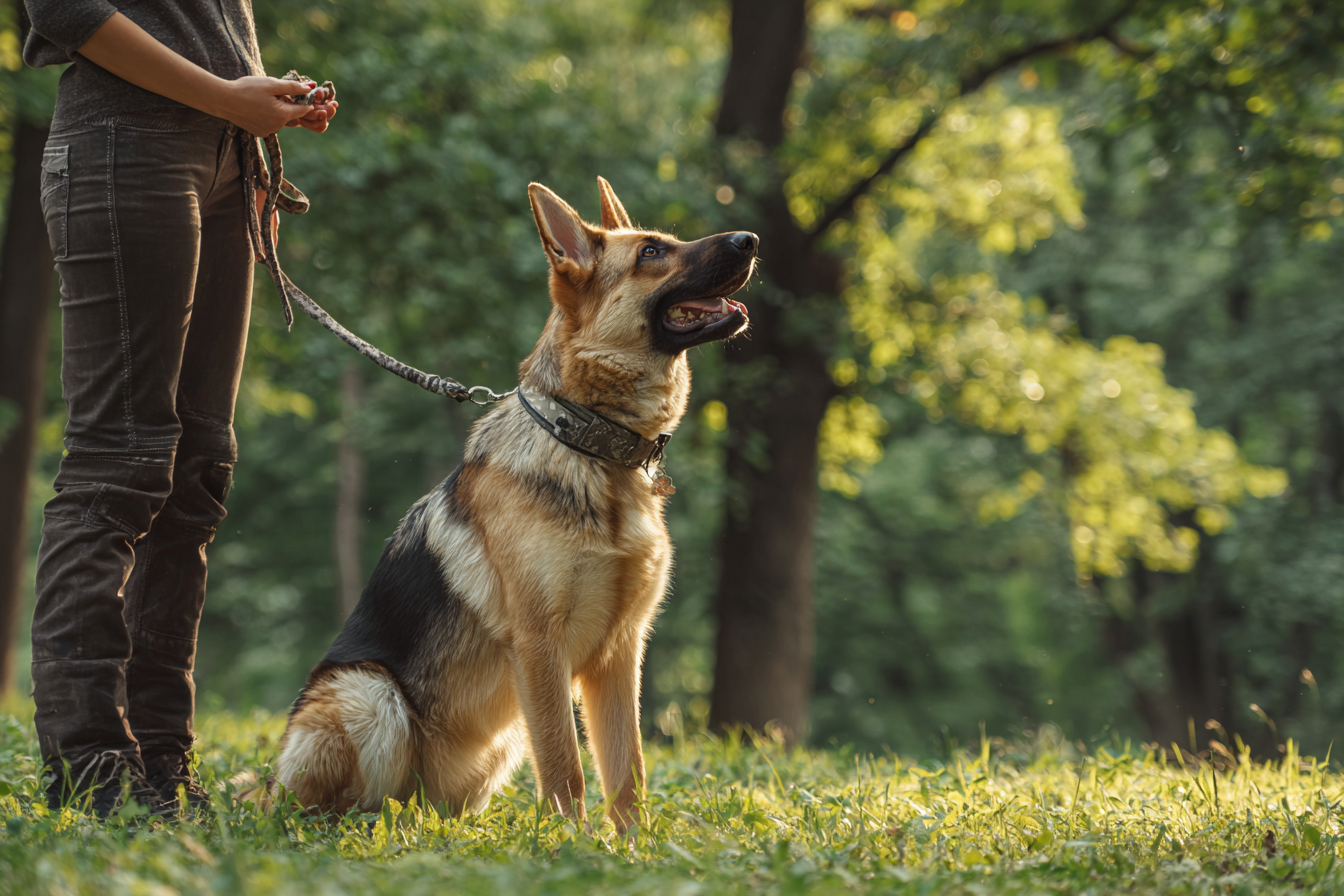
- The Role of Obedience Cues: This is where your investment in obedience training of dog pays dividends. A solid “watch me” or “leave it” cue, trained heavily with positive reinforcement in low-distraction environments, can be a lifesaver. It gives you a way to redirect your dog’s attention before they go over threshold. The cue is not a command to be obeyed out of submission; it is an invitation to engage in a rewarding game with you.
Building a Partnership Through “Dog Obedience Training”
Ultimately, whether you are practicing obedience training of a puppy or an adult dog with aggression issues, the goal is the same: to build a partnership based on clear communication and mutual trust. The techniques of experts like Dunbar and Donaldson all point toward this same conclusion. Punishment-based methods are strongly discouraged as they suppress behavior without addressing the underlying emotion, often increasing fear and anxiety and risking more severe outbursts later.
Force-free, reward-based training builds confidence and gives the dog a sense of agency. It teaches them that making the right choice is rewarding, and that you are a safe harbor in a confusing world. By understanding the psychology of aggression and implementing a structured plan rooted in prevention and positive dog obedience basics, you can guide your canine companion toward a lifetime of calm, confident, and safe behavior. If you are struggling with aggression, especially with a history of bites, always seek the help of a qualified, certified professional dog behavior consultant or a veterinary behaviorist.
Need a personal trainer for your dog?
Find the best certified professionals in your area and start training today.