




Many dogs are abandoned by owners who struggle with behavioral issues that could be resolved through proper obedience training. Research shows that behavioral problems account for 23% to 35% of dog relinquishments to shelters, with a 2024 study of 2,836 cases finding behavior issues cited in 35% of dog surrenders . Another study found that over 30% of dogs are abandoned specifically due to behavior problems . These statistics reveal a heartbreaking cycle where preventable training failures lead to family pets losing their homes, highlighting the critical importance of early obedience training.Mastering dog obedience basics transforms your relationship with your canine companion from chaotic to harmonious. Whether you are welcoming an eight week old puppy or adopting an adult rescue, understanding the fundamentals of obedience training creates a foundation for a lifetime of good behavior. This comprehensive guide explores proven techniques, essential commands, and expert insights that make obedience training of dog and puppy both effective and enjoyable.
Why Dog Obedience Training Matters
Investing time in dog obedience training yields benefits far beyond having a well behaved pet. Dogs who master basic commands experience less anxiety because they understand expectations. Owners gain confidence when walking their dogs in public or welcoming guests into their homes. Most importantly, obedience training of puppy and adult dog strengthens the human animal bond through clear communication and positive interaction.
Research shows that dogs who receive structured obedience training are less likely to develop behavioral problems like excessive barking, destructive chewing, or aggression. The mental stimulation from training sessions also reduces boredom-related issues. For puppies, early obedience training during the critical socialization window creates a stable temperament that lasts a lifetime.
Essential Commands Every Dog Should Know
The foundation of puppy obedience basics rests on five core commands that ensure safety and good manners in any situation. Mastering these creates a vocabulary between you and your dog that makes advanced training possible.
1. Sit Command:
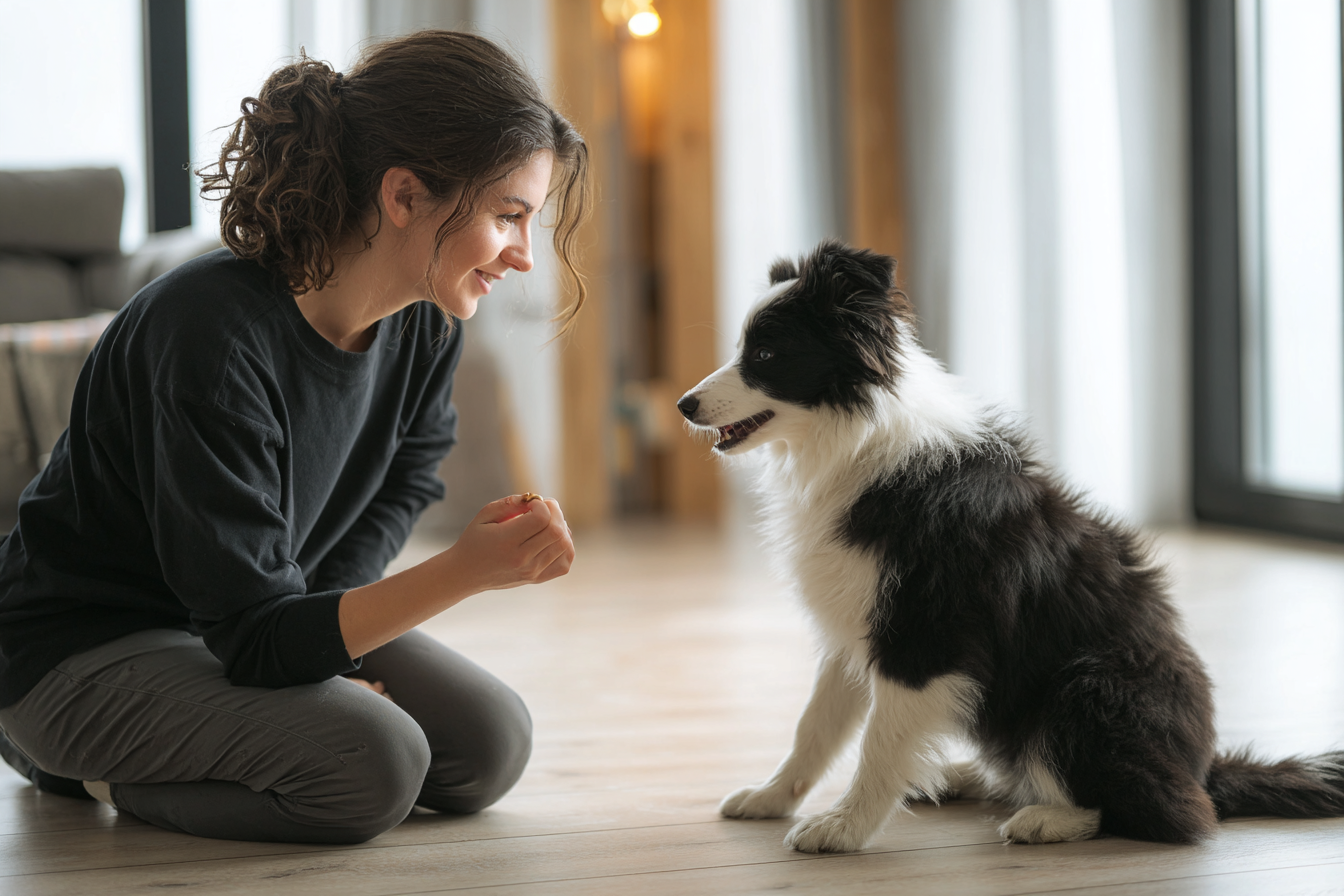
Sit serves as the cornerstone of dog obedience basics. This simple position naturally calms excited dogs and provides a starting point for other commands. To teach sit, hold a treat close to your dog’s nose and slowly move it back over their head. As their nose follows the treat upward, their bottom naturally lowers to the ground. Immediately reward with the treat and enthusiastic praise.
Practice this command in various locations with increasing distractions. A dog who reliably sits on command in the home, at the park, and when visitors arrive demonstrates solid understanding of the behavior.
2. Stay Command:
Stay builds impulse control and patience in dogs of all ages. Begin with your dog in the sit position. Show your palm in a stop signal while saying “stay” clearly. Take one step back. If your dog remains seated, return immediately and reward. Gradually increase distance and duration as your dog succeeds.
Stay proves invaluable during daily life. Use it to keep your dog from bolting out doors, to prevent begging during meals, or to maintain calm while you answer the door. This command represents advanced dog obedience training that requires consistent practice.
3. Come Command (Recall):
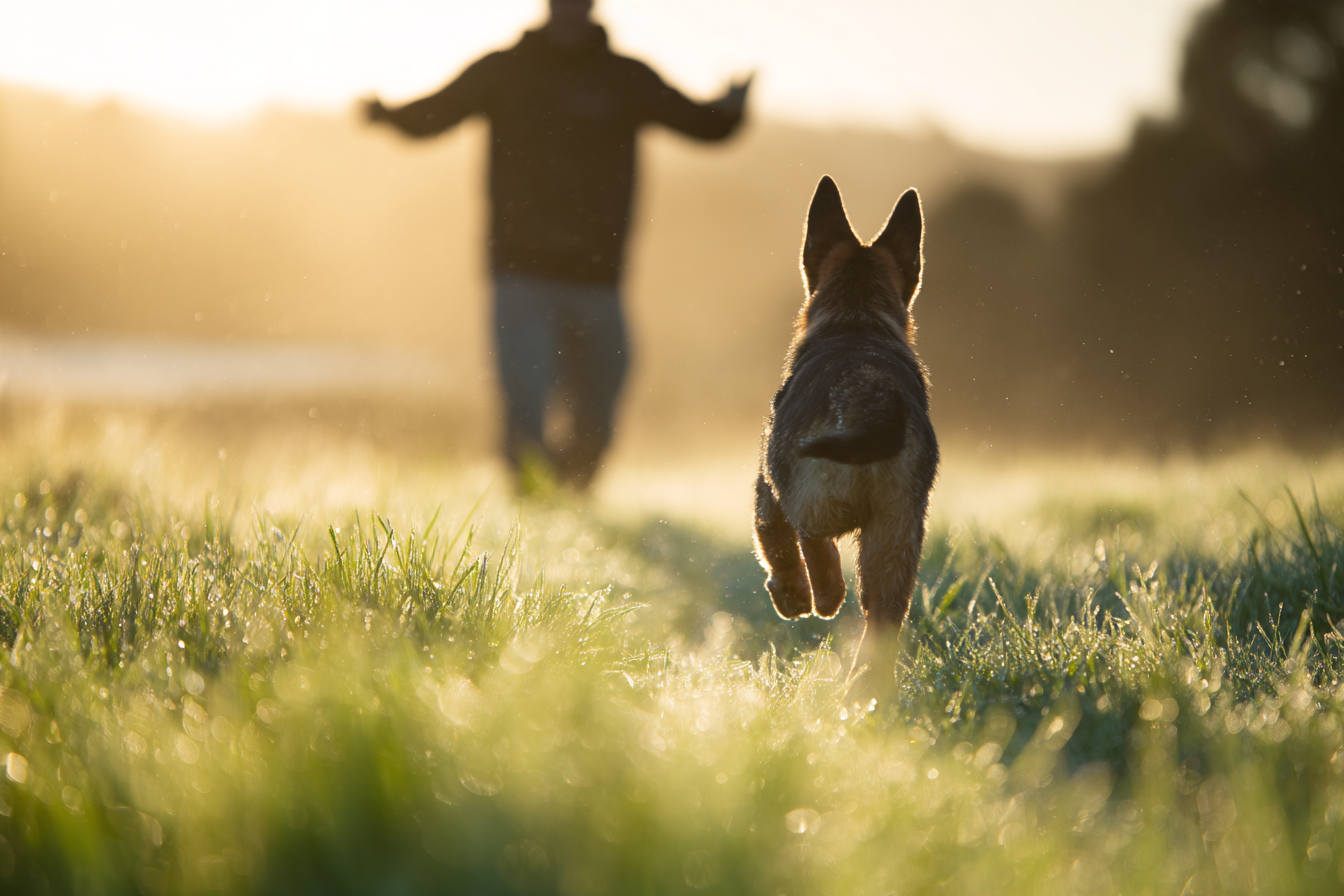
Reliable recall could literally save your dog’s life. Start training in a low distraction environment. Say your dog’s name followed by “come” in an upbeat, encouraging tone. When they approach, reward generously with high value treats and excited praise. Never punish your dog for coming to you, even if they took longer than desired.
For puppies, recall training forms the heart of puppy obedience basics. Make every recall a positive experience. Practice with a long training leash in safe areas before expecting off leash reliability. The obedience training of puppy should prioritize recall above almost all other commands.
4. Heel Command:
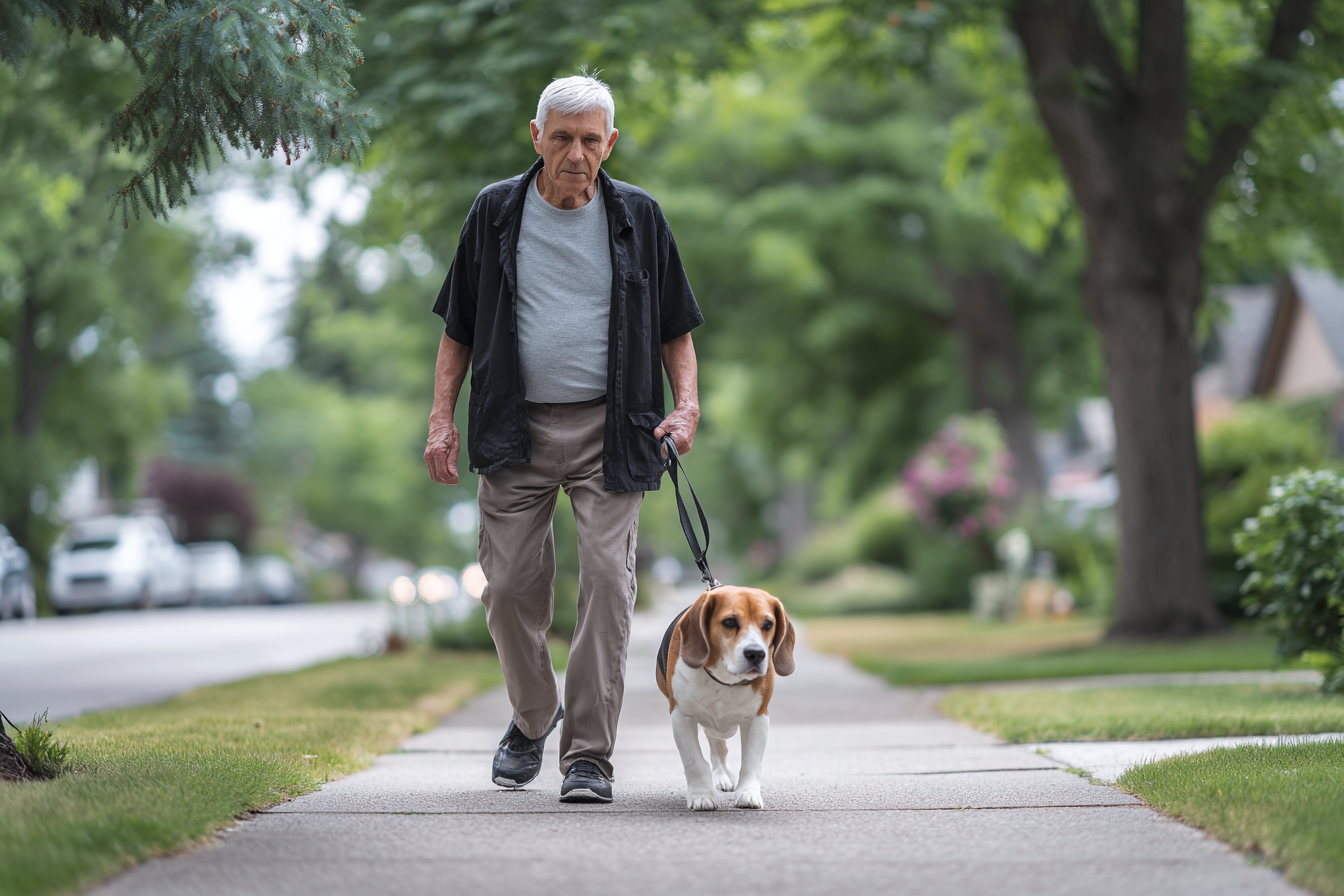
Heel teaches your dog to walk politely on leash without pulling. Position your dog at your left side. Hold treats at your left hip and begin walking. Reward your dog frequently for staying in position beside you. If they pull ahead, stop walking immediately. Only proceed when the leash is loose again.
This command transforms daily walks from frustrating battles to enjoyable exercise. Consistent heel training eliminates pulling, lunging at other dogs, and wandering that makes walks stressful.
5. Down Command:
The down position represents ultimate relaxation and submission in dog language. Teaching down provides a way to calm excited dogs in any environment. Lure your dog into a down position by moving a treat from their nose to the floor between their front paws. As they follow the treat downward, their body will naturally lower.
Down proves especially useful in public settings like outdoor cafes, veterinary offices, or when visiting friends. A dog who lies down calmly shows excellent mastery of dog obedience basics.
Core Principles of Successful Obedience Training
Renowned dog behaviorist Cesar Millan emphasizes that calm assertive energy from the owner creates the foundation for all learning. Your emotional state directly influences your dog’s ability to focus and learn. Approach each training session with patience and confidence.
Positive Reinforcement Dominance:
Modern obedience training of dog relies heavily on positive reinforcement. Zak George, author of “Zak George’s Dog Training Revolution,” advocates for reward based methods that make learning enjoyable for both dog and owner. Use treats, praise, toys, and play as rewards for correct behavior. This approach builds enthusiasm for training rather than fear of punishment.
Timing matters enormously. Reward your dog within one to two seconds of the desired behavior so they clearly connect the action with the consequence. Clicker training can help mark exact moments of correct behavior with precise timing.
Consistency is the King:
Every family member must use the same commands, hand signals, and rules. If one person allows the dog on the couch while another scolds for it, confusion results. Establish household training protocols that everyone follows consistently.
Use the same word for each command every time. Avoid saying “sit down” when you mean “sit.” Simple, clear, consistent language helps your dog learn faster and reduces frustration for everyone involved.
Short and Frequent Sessions:
Puppies and adult dogs learn best in brief sessions. Five to ten minute training periods, practiced three to five times daily, produce better results than one long, exhausting session. End each session while your dog is still successful and engaged. This leaves them eager for the next training opportunity.
Manage Your Expectations:
Dogs learn at different paces. Some may grasp “sit” in a few minutes, while “stay” might take weeks. Frustration is your enemy. If you feel frustrated, it’s time to end the session. The goal of puppy obedience training is to build confidence, not fear.

Puppy Obedience Basics vs Adult Dog Training
While the commands remain the same, the approach differs significantly between puppies and adult dogs. Puppy obedience basics must account for shorter attention spans and the critical socialization period.
Puppy Training Priorities:
For puppies under six months, focus on socialization, basic commands, and house training. The obedience training of puppy should emphasize positive experiences over perfection. Puppies learn rapidly but also forget quickly. Patience and repetition prove essential.
Kyra Sundance, author of “101 Dog Tricks,” recommends incorporating training into daily puppy activities. Ask for a sit before meals, a stay before going outside, and a come before playtime. This integrates obedience naturally into your puppy’s routine.
Puppy classes provide invaluable socialization while teaching basic commands. The controlled environment exposes puppies to new people, dogs, and experiences during their most receptive developmental period.
Adult Dog Considerations
Adult dogs may come with ingrained habits that require more time to modify. The obedience training of dog who has spent years pulling on leash needs extra patience and consistency. However, adult dogs often have longer attention spans than puppies, allowing for slightly longer training sessions.
Rescue dogs may have unknown histories that affect training. Some may have had negative experiences with certain commands. Always start with basic trust building before requiring strict obedience. Let the dog set the pace for learning.
Common Mistakes in Dog Obedience Training
Avoiding these pitfalls accelerates your progress and prevents frustration. Even experienced trainers occasionally fall into these traps.
Inconsistent Practice:
Sporadic training produces sporadic results. Commit to daily practice sessions, even if brief. Five minutes every day trumps one hour on Saturday. The brain forms habits through repetition and consistency.
Moving Too Quickly:
Advancing to distractions before mastering commands in quiet environments sets your dog up for failure. Proof each command thoroughly at home before expecting reliability at the dog park. Build difficulty gradually to maintain high success rates.
Poor Reward Selection:
Not all treats hold equal value for your dog. Find what truly motivates your individual dog. Some respond to tiny pieces of chicken, others prefer cheese, and some work enthusiastically for a favorite ball. Match the reward value to the difficulty of the task.
Negative Emotional States:
Never train when you feel frustrated, angry, or impatient. Dogs read human emotions brilliantly. Negative energy from you creates anxiety and shuts down learning. If you feel yourself becoming irritated, end the session positively and try again later.
Creating a Training Schedule
Successful dog obedience training follows a structured plan. This sample schedule helps organize your efforts for maximum effectiveness.
Week One: Focus exclusively on sit and name recognition. Practice ten times daily for five minutes each session. Reward every successful sit with a high value treat.
Week Two: Add stay command while continuing sit practice. Begin practicing sit and stay in different rooms of your home. Keep sessions short and successful.
Week Three: Introduce come command in a quiet hallway or room. Continue practicing previous commands in slightly more distracting environments.
Week Four: Add down command and begin heel training inside your home. Practice all commands in your backyard or quiet outdoor area.
Month Two: Practice all commands during daily walks and in public spaces. Increase duration of stay and distance for recall. Join a group training class for socialization and expert guidance.
Expert Insights for Lasting Success
Patricia McConnell, a certified applied animal behaviorist and author of “The Other End of the Leash,” emphasizes that understanding canine body language can dramatically accelerate training. Learn to read your dog’s stress signals, engagement level, and emotional state. A dog who shows signs of stress cannot learn effectively.
Take time to observe your dog’s natural behaviors and motivations. Some dogs are food motivated, others live for play, and some work for praise. Tailor your reward system to your individual dog’s personality for maximum effectiveness.
Remember that dog obedience basics serve as a lifelong foundation, not a one-time achievement. Continue practicing commands throughout your dog’s life to maintain reliability. Many owners stop training after the basics are learned, then wonder why their dog becomes “selectively deaf” later.
Conclusion
Mastering dog obedience basics creates a relationship built on mutual respect and clear communication. Whether focusing on puppy obedience basics or teaching an older dog new skills, patience, consistency, and positive reinforcement produce remarkable results. The journey of obedience training of dog or puppy strengthens your bond while creating a well-mannered companion who brings joy to every situation.
Remember that every dog learns at their own pace. Celebrate small victories and maintain a positive attitude throughout the process. The time invested in these foundational skills pays dividends for a decade or more of companionship. Start today with one five minute session, and watch as your dog transforms into the obedient, confident, and happy companion you have always wanted.