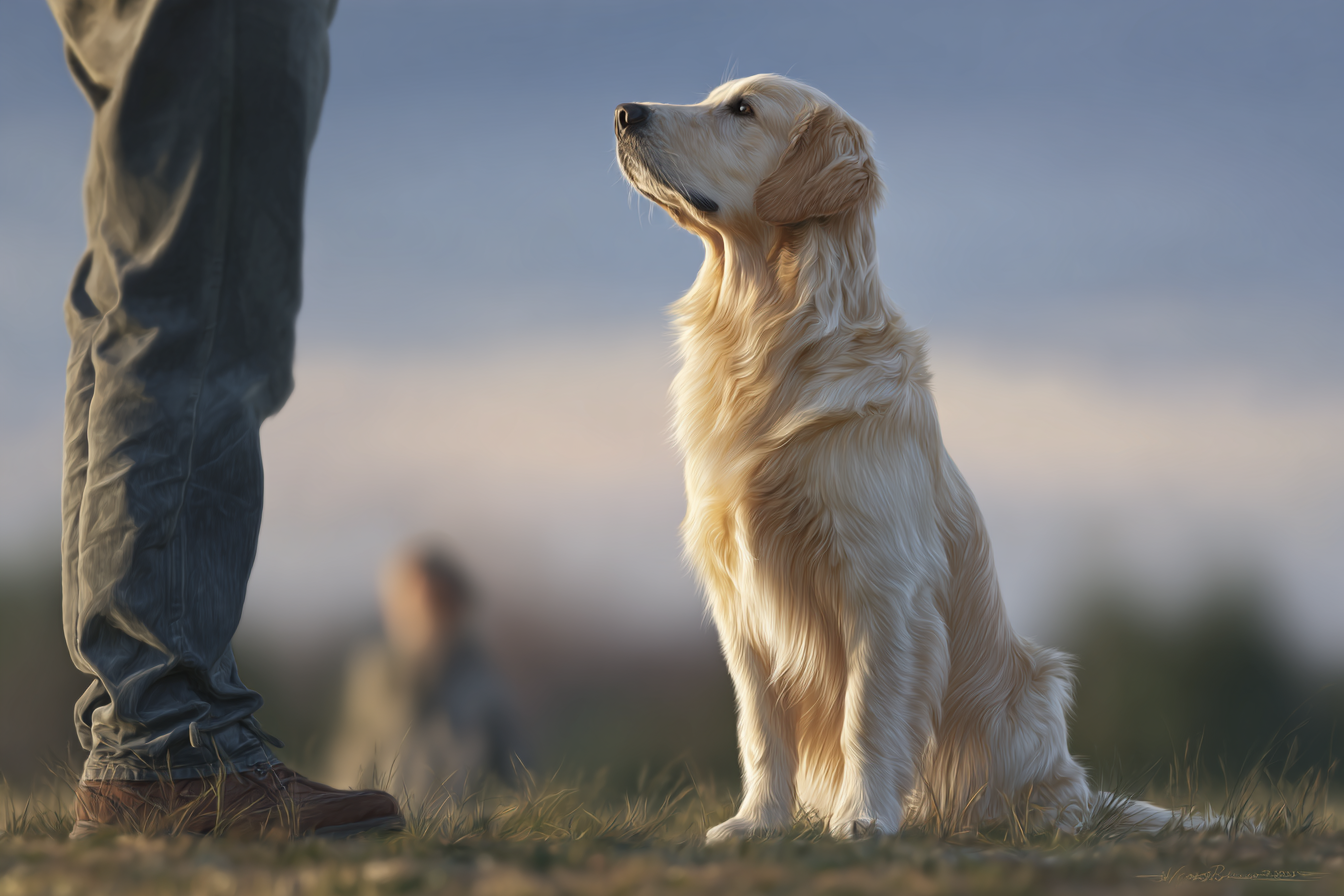




The dream of walking a calm, focused dog by your side is a powerful motivator for any pet owner. Yet, the reality for many is a constant battle against a pulling, straining canine who seems to think the walk is a race they must win. The act of teaching your dog to “heel” is the ultimate solution, transforming chaotic walks into enjoyable, bonded experiences. This comprehensive guide will demystify the process, offering three distinct, powerful methods on how to train your dog to heel, drawing on wisdom from renowned training experts. Whether you have a bouncy puppy or a seasoned puller, you can achieve that picture-perfect heel position.
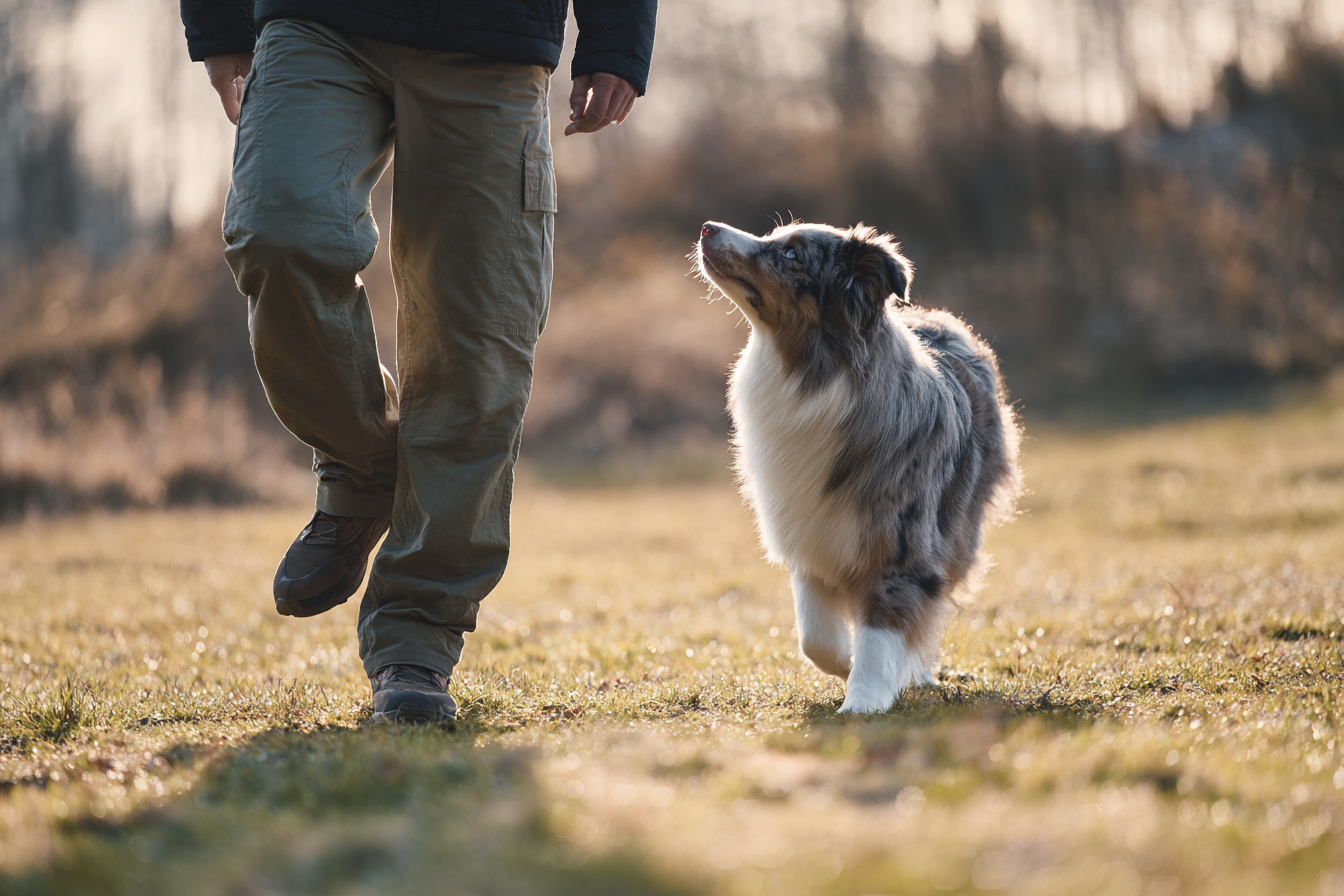
First, let’s define “heel.” Unlike simple loose-leash walking, where the leash is slack but the dog can explore, heeling is a formal position. Your dog’s shoulder should be aligned with your leg, their attention primarily on you, ready for your next command. It’s a focused exercise in teamwork and control, perfect for navigating busy streets or distractions.
The Foundation: Preparation is Everything
Before diving into the methods, success hinges on preparation. You will need:
- High-Value Treats: Use something your dog loves and only gets during training—small pieces of chicken, cheese, or hot dog work well.
- A Properly Fitted Harness or Collar: A front-clip harness can be invaluable for managing pullers by gently turning them toward you.
- A Leash (4-6 feet): Avoid retractable leashes for training, as they teach constant pressure.
- A Quiet Environment: Start indoors with no distractions.
Patience and short, positive sessions (5-10 minutes) are your best friends. The goal is to make heeling the most rewarding game your dog plays.
Method 1: The Luring Technique for a Clear Heel Position
This is often the best starting point, especially for beginners. It uses a food lure to physically guide your dog into the correct position, making the abstract concept of “heel” visually and physically clear.
Step-by-Step Guide:
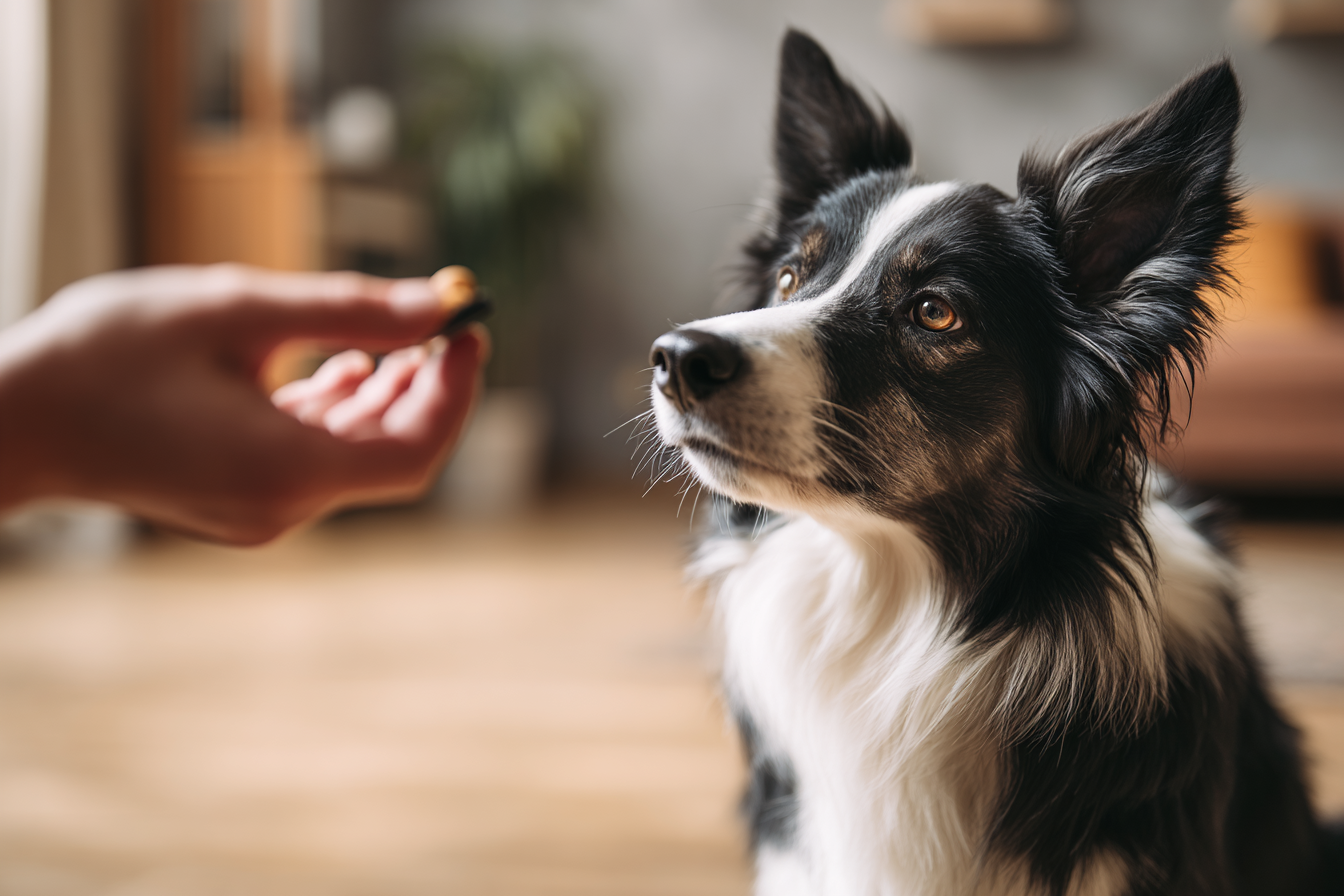
- Establish the Position: Stand with your dog facing you. Hold a high-value treat in your hand. Let your dog sniff it to capture their interest.
- Lure into Place: Slowly move the treat from their nose, guiding it diagonally past your left leg (if you prefer the dog on your right, adjust accordingly) and back to the heel position—where their shoulder is in line with your leg. As they follow the treat, their body will naturally pivot into place.
- Mark and Reward: The moment their shoulder is aligned, use a marker word like “Yes!” or a clicker, and give them the treat. Repeat this 5-10 times until they are fluidly moving into the position.
- Add the Cue: Once they are reliably following the lure, it’s time to name the behavior. Just before you lure them, say your cue word, such as “Heel.” Continue to lure, mark, and reward.
- Fade the Lure: After several successful sessions with the verbal cue, try the hand motion without a treat in it. The moment your dog completes the movement, “Yes!” and reward from your other hand or a treat pouch. This teaches them to respond to the hand signal and verbal cue, not just the food.
Renowned positive reinforcement trainer Zak George emphasizes the importance of this “fading” process to prevent your dog from becoming dependent on seeing the treat.
Method 2: The Capturing and Shaping Method for a Thinking Dog
This method requires more observation from you but results in a dog who actively thinks and offers the desired behavior. Instead of luring, you wait for your dog to accidentally offer the heel position and then mark and reward it, thereby “capturing” the moment.
Step-by-Step Guide:
- Get Ready: Have your clicker or marker word and plenty of treats ready. Stand still with your dog on a leash.
- Wait and Watch: Simply wait. Your dog will likely move around, sniff, and at some point, they will likely move into the heel position, even if by accident.
- Mark the Moment: The instant their shoulder is in line with your leg, even for a split second, mark it with “Yes!” or a click and toss a treat on the ground a few feet in front of them. This resets them so they have to make the choice to come back to the heel position.
- Raise the Criteria: Once they are consistently returning to the heel position for the reward, start requiring them to hold the position for longer. Wait one second before marking, then two, then three.
- Add Movement and the Cue: Begin to take one small step. If they move with you and maintain the position, mark and reward heavily. Now, you can add the verbal cue “Heel” just as you see they are about to step into position.
This method, championed by trainers who follow the principles of Karen Pryor, a pioneer of clicker training, builds incredible problem-solving skills and enthusiasm in your dog, as they are an active participant in their own learning.
Method 3: The Engagement and Pivots Method for Advanced Focus
This method is powerful for dogs who are easily distracted. It builds a powerful connection where your dog learns that staying close to you and checking in is far more rewarding than anything the environment has to offer.
Step-by-Step Guide:
- The Magnet Hand: In a low-distraction area, stand with your dog. Bring a treat up to your eyes and say your dog’s name. When they make eye contact, mark (“Yes!”) and reward. Practice this “checking in” behavior until it’s automatic.
- The Pivot: With your dog in a heel position, hold a treat at your side, near your leg, to get their attention. Slowly pivot 90 degrees on your feet, luring them to arc around with you to maintain the heel position. Mark and reward when they complete the pivot.
- The Game of Ping Pong: Start walking in a quiet, enclosed area. The moment your dog voluntarily looks up at you, mark and reward. Then, change direction abruptly. When your dog hurries to catch up and get back into the heel position, mark and reward that effort lavishly.
- Integrate the Cue: Use your “Heel” cue as you start these engagement games. The goal is for your dog to learn that “Heel” means “stay close, pay attention, and great things happen.”
This technique builds on the philosophy of trainers like Cesar Millan, who speaks about the importance of calm-assertive energy and a dog’s need for a “job,” which in this case is maintaining focus and position on the walk.
Troubleshooting Common Heel Training Challenges
- My Dog Gets Bored: Keep sessions incredibly short (2-3 minutes) and always end on a high note. Use higher-value treats.
- My Dog Jumps for the Treat: Keep treats in a pouch and your hands still. Only deliver the treat when all four paws are on the ground.
- It Falls Apart with Distractions: You’ve moved too fast, too soon. Go back to a less distracting environment and proof the behavior there before trying again. Distance is your friend; practice heeling far away from a distraction and slowly decrease the distance over many sessions.
Photorealistic Image Prompt 4:
A photorealistic image depicting the concept of “proofing” the heel command. A calm Golden Retriever is maintaining a solid heel position while its owner stands still. In the soft-focus background, another person is playing with a dog at a distance. The focus is on the Retriever’s disciplined posture and eye contact with its owner, ignoring the background distraction.
Final Thoughts: From Training to Habit
Learning how to train your dog to heel is a journey of communication and patience. Consistency is your most powerful tool. Use your “Heel” command purposefully for short bursts during your walks, and then release your dog with a “Free” or “Okay” to let them sniff and explore. This balance makes the walk rewarding for both of you. With these three methods—Luring, Capturing, and Engagement—you are equipped to build a powerful connection with your dog that turns every walk into a demonstration of perfect teamwork.