



Watching our dogs grow old is a privilege, a testament to the years of joy and companionship they’ve given us. Yet, it’s also one of the most heart-wrenching experiences a pet owner can face. As our faithful friends enter their golden years, it’s natural to wonder about their comfort and to watch for signs that their journey may be nearing its end.
Understanding the natural signs of aging versus the specific indicators of dying can help you provide the best possible care and make informed, compassionate decisions. This guide will walk you through the common physical and behavioral changes, grounded in veterinary science, to help you navigate this difficult time with love and clarity.
The Difference Between Old Age and Active Dying
First, it’s crucial to distinguish between general geriatric decline and the active dying process. Geriatric decline is a slow, gradual process where you may notice a general “slowing down.” Active dying, however, typically refers to the final few days or hours when the body’s systems begin to shut down.
The signs discussed below can exist on a spectrum. Some may appear during geriatric decline and worsen significantly as death approaches. Always consult your veterinarian to rule out treatable conditions, as many symptoms of old age can also be symptoms of manageable illnesses like arthritis, dental disease, or organ dysfunction.
Key Signs Your Dog is Nearing the End of Life
1. Drastic and Persistent Loss of Appetite and Thirst
One of the most telling signs is a complete loss of interest in food and water. While a senior dog might have a pickier appetite, a dying dog will often stop eating and drinking altogether.
- The Science Behind It: As the body begins to shut down, the digestive system is one of the first to be deprioritized. The energy required to digest food becomes too much for a body that is conserving its remaining resources for essential functions like maintaining the heartbeat. Dehydration follows, which can exacerbate systemic decline. A study on animal palliative care emphasizes that anorexia (loss of appetite) is a common hallmark of the end-of-life phase, often linked to metabolic changes and a decrease in organ function.
- What to Look For: Your dog may not just be disinterested; they might turn their head away from their favorite treats or even have difficulty holding food in their mouth or swallowing.
2. Extreme Fatigue and Loss of Mobility
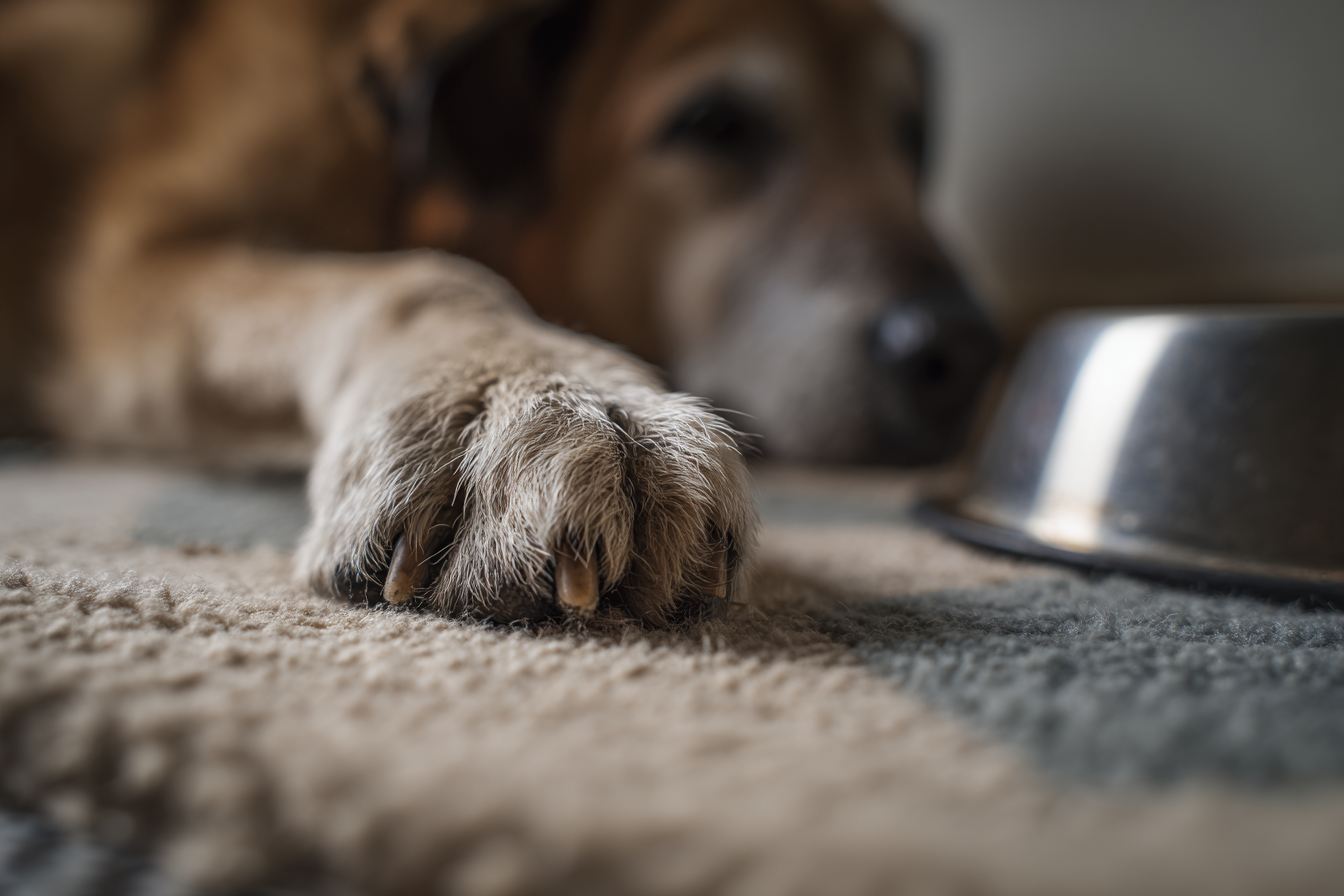
Your old dog has likely been napping more, but terminal lethargy is different. This is a profound lack of energy where your dog may struggle to lift their head or show no interest in moving from their bed.
- The Science Behind It: This extreme fatigue is often due to a combination of factors: muscle wasting (sarcopenia), generalized weakness, and the body diverting its limited energy to core survival functions. Conditions like canine cognitive dysfunction (doggy dementia) can also contribute to lethargy and confusion.
- What to Look For: Your dog may no longer greet you at the door, be unable to stand without assistance, or collapse when trying to walk. They may also soil their bed because the effort to get up and go outside is too great.
3. Disorientation and Confusion
Canine Cognitive Dysfunction Syndrome (CCDS) is a well-researched condition analogous to Alzheimer’s in humans. In the final stages of life, this confusion can become much more pronounced.
- The Science Behind It: Research, including a seminal study published in the Journal of the American Veterinary Medical Association, has identified that CCDS is associated with the accumulation of beta-amyloid plaques in the canine brain, leading to oxidative damage and the death of nerve cells. This results in observable behavioral changes.
- What to Look For: Your dog may get stuck in corners, stare blankly at walls, fail to recognize familiar people or other pets, or seem lost and anxious in their own home. They may also exhibit changes in their sleep-wake cycle, pacing or whining through the night.
4. Changes in Breathing Patterns
Respiratory changes are a significant indicator that the body is struggling to maintain its vital functions.
- The Science Behind It: As the heart becomes weaker, it cannot pump blood efficiently, leading to a buildup of fluid in or around the lungs—a condition known as congestive heart failure. This makes breathing laborious. In the final hours, you may notice irregular breathing patterns, such as long pauses (up to 30 seconds) between breaths, shallow breaths, or deep, labored breaths.
- What to Look For: Listen for noisy, rattling breathing (sometimes called the “death rattle”), which is caused by the inability to clear secretions from the throat or airways. Observe if their belly is moving dramatically with each breath, a sign they are using all their strength to breathe.
5. Loss of Bladder and Bowel Control
While senior dogs may have occasional accidents, complete incontinence in a previously house-trained dog is a strong sign of system failure.
- The Science Behind It: This loss of control can stem from a loss of muscle strength, decreased consciousness, or neurological decline. The nerves that control the bladder and bowels are no longer receiving the proper signals from a brain that is shutting down.
- What to Look For: You may find your dog has urinated or defecated in their bed without any apparent awareness or attempt to move away from it. This is often coupled with a lack of mobility.
6. Seeking Solitude or a Change in Routine
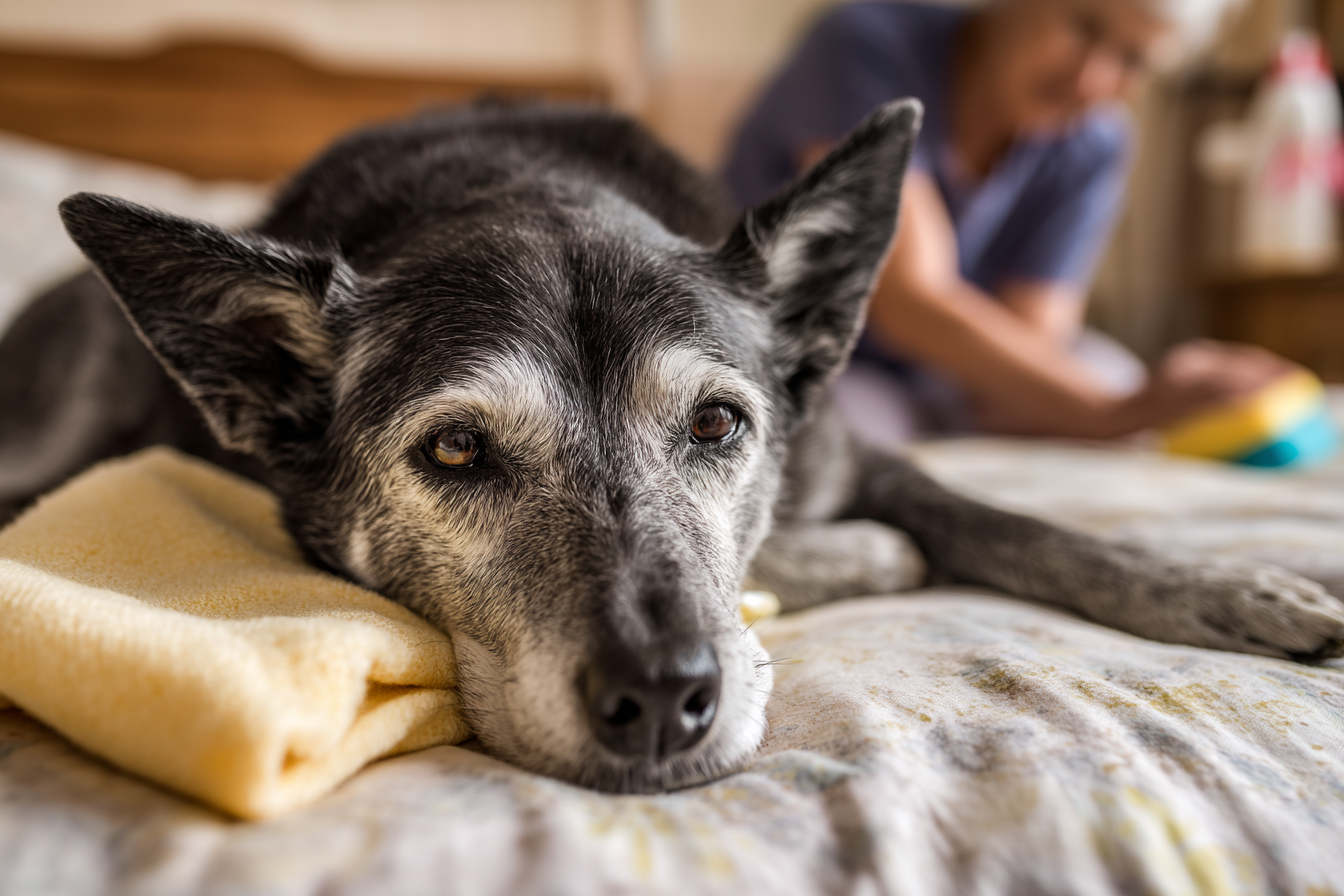
Dogs are instinctively driven to hide vulnerability. In the wild, a weak animal is a target. This instinct can manifest in a dying dog seeking isolation.
- What to Look For: A dog that was once a “velcro” pet, always by your side, may now start hiding under furniture, in closets, or in quiet, secluded parts of the house. Conversely, some dogs may become clingier, seeking comfort and reassurance from their beloved human.
The “Quality of Life” Scale: An Objective Tool for a Subjective Decision
When you’re emotionally involved, it can be hard to assess your dog’s condition objectively. Veterinarians often recommend using a Quality of Life Scale. This tool helps you score your dog’s daily life based on key factors:
- Hurt: Is their pain well-managed?
- Hunger: Are they eating and drinking?
- Hygiene: Can they be kept clean?
- Happiness: Do they still have moments of joy?
- Mobility: Can they move on their own?
- More Good Days Than Bad: This is the ultimate question.
If the bad days start to consistently outnumber the good, it may be time to have a heartfelt conversation with your veterinarian about the most compassionate next step: euthanasia.
What You Can Do: Providing Comfort and Dignity
Your role now is to be a source of comfort. You cannot stop the process, but you can ensure your dog’s final days are filled with love.
- Create a Comfort Station: Provide a well-padded, orthopedic bed in a quiet, easily accessible location. Use waterproof pads and soft blankets that are easy to wash.
- Manage Pain and Discomfort: Work closely with your vet on a pain management plan. This may include medications, but also simple things like gentle massage, heat pads for sore muscles, and repositioning them regularly to prevent bed sores.
- Offer Palatable Food and Water: Don’t force-feed. Instead, offer high-value, easy-to-eat foods like warmed chicken broth (low sodium), baby food (no onion or garlic), or wet food. Use a syringe to drip water into their mouth if they are not drinking, but be very careful to avoid aspiration.
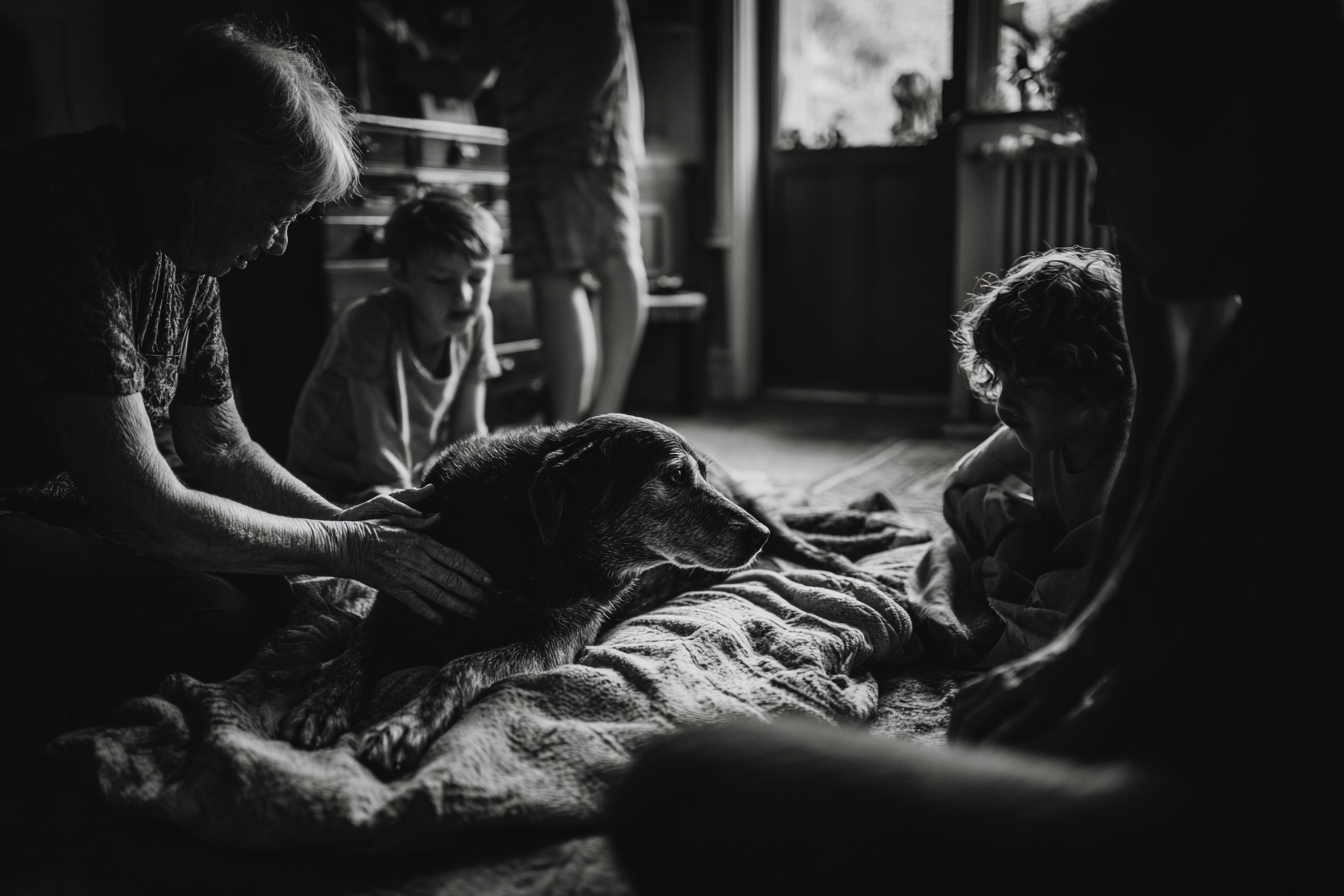
- Be Present: Your calm presence is a powerful comfort. Sit with them, speak to them in a soft voice, and offer gentle petting. Let them know they are not alone.
The Final Goodbye: Euthanasia as an Act of Love
Choosing euthanasia is not giving up; it is taking on the final, most painful burden of pet ownership so that your beloved friend does not have to suffer. It is a final gift of peace, a gentle release from a body that can no longer serve them. Talk to your vet about what the process entails, including the option for in-home euthanasia, which can provide a more tranquil passing in familiar surroundings.
Conclusion: A Journey of Love to the Very End
Recognizing the signs that your dog is dying of old age is a painful but crucial part of being a responsible and loving guardian. By understanding these changes, you can shift your focus from curative treatments to palliative care, ensuring their final chapter is defined by dignity, comfort, and the deep, unwavering bond you share. Trust your instincts, lean on the support of your veterinary team, and know that the love you’ve shared transcends this final, physical farewell.