




Bringing a new dog into your life is an exciting journey filled with joy and companionship. Yet, it also comes with a fundamental question that every responsible pet owner faces: when is the right time to start obedience training? Whether you have a bubbly new puppy or a mature adult dog, the desire to build a common language and ensure good behavior is universal. The good news is that it is never too early or too late to begin.
This comprehensive guide will clear up the confusion and provide a clear roadmap for starting obedience training of your puppy or older dog. We will explore the critical developmental stages of a puppy’s brain, the unique considerations for training an adult dog, and the fundamental principles that make obedience training of a dog a successful and bonding experience for everyone involved.
The Puppy Timeline: Starting Early for a Lifelong Impact
The single most common question is, “When to start obedience training of puppy?” The answer is simple: as soon as they come home. For most puppies, this is around 7 to 8 weeks of age. At this young age, their brains are incredibly receptive sponges, eagerly absorbing new experiences and associations. However, the type of training you do must be appropriate for their developmental stage.
The 8 to 16 Week Window: The Critical Socialization and Foundation Period
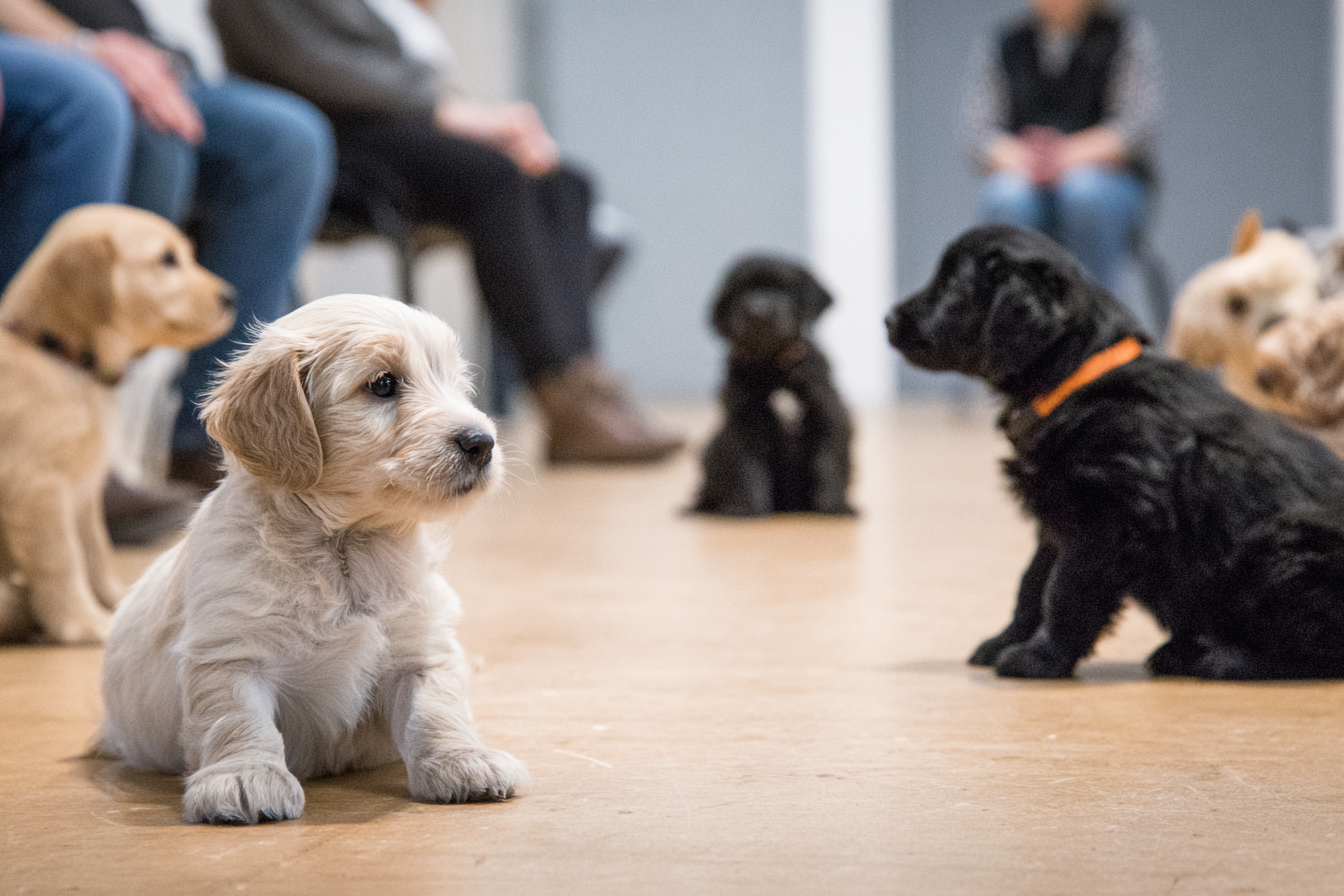
This period is the golden window for shaping your puppy’s future temperament and behavior. Training at this age is less about strict commands and more about positive exposure and building confidence.
- Focus on Socialization: This is the most crucial aspect of early training. Expose your puppy to a wide variety of people, surfaces, sounds, and other vaccinated dogs in a positive and controlled manner. This helps prevent fear and anxiety later in life.
- Keep it Short and Fun: A young puppy’s attention span is only a few minutes long. Training sessions should be brief, about 2 to 5 minutes, and conducted multiple times a day. Always end on a positive note.
- Foundational Skills: This is the perfect time to introduce foundational obedience training using positive reinforcement. Use high-value treats, praise, and play to teach:
- Their Name: Make saying their name a happy event that results in a treat.
- Sit: A natural and easy command to start with.
- Come: The most critical safety command.
- Handling: Gently touch their paws, ears, and mouth to prepare them for grooming and vet visits.
Renowned veterinarian and behaviorist Dr. Ian Dunbar is a strong advocate for early socialization and training, emphasizing that this period is paramount for preventing future behavior problems.
The 4 to 6 Month Period: Building on the Basics
As your puppy grows, so does their ability to learn. They are now entering a stage similar to human adolescence where they may start to test boundaries.
- Increase Difficulty: You can begin to practice commands in different environments with more distractions.
- Formalize Training: This is an excellent time to enroll in a well-run puppy kindergarten class. This provides structured learning and continued socialization.
- Introduce New Cues: Continue building their vocabulary with commands like “Down,” “Stay,” “Leave It,” and “Leash Walking.”
It’s Never Too Late: Obedience Training for the Older Dog
Perhaps you have adopted an adult or senior dog with no prior training. Do not despair. The old adage, “You can’t teach an old dog new tricks,” is a complete myth. Adult dogs are fully capable of learning; the approach may just need slight adjustment.
Key Considerations for Training an Adult Dog
- Past History is a Factor: An adopted dog may come with unknown baggage, including fears, past trauma, or simply a lack of exposure. Patience is your greatest tool.
- Health First: Before starting any new training regimen, especially with a senior dog, have them checked by a veterinarian to rule out any underlying pain or health issues that could affect their ability to learn or perform.
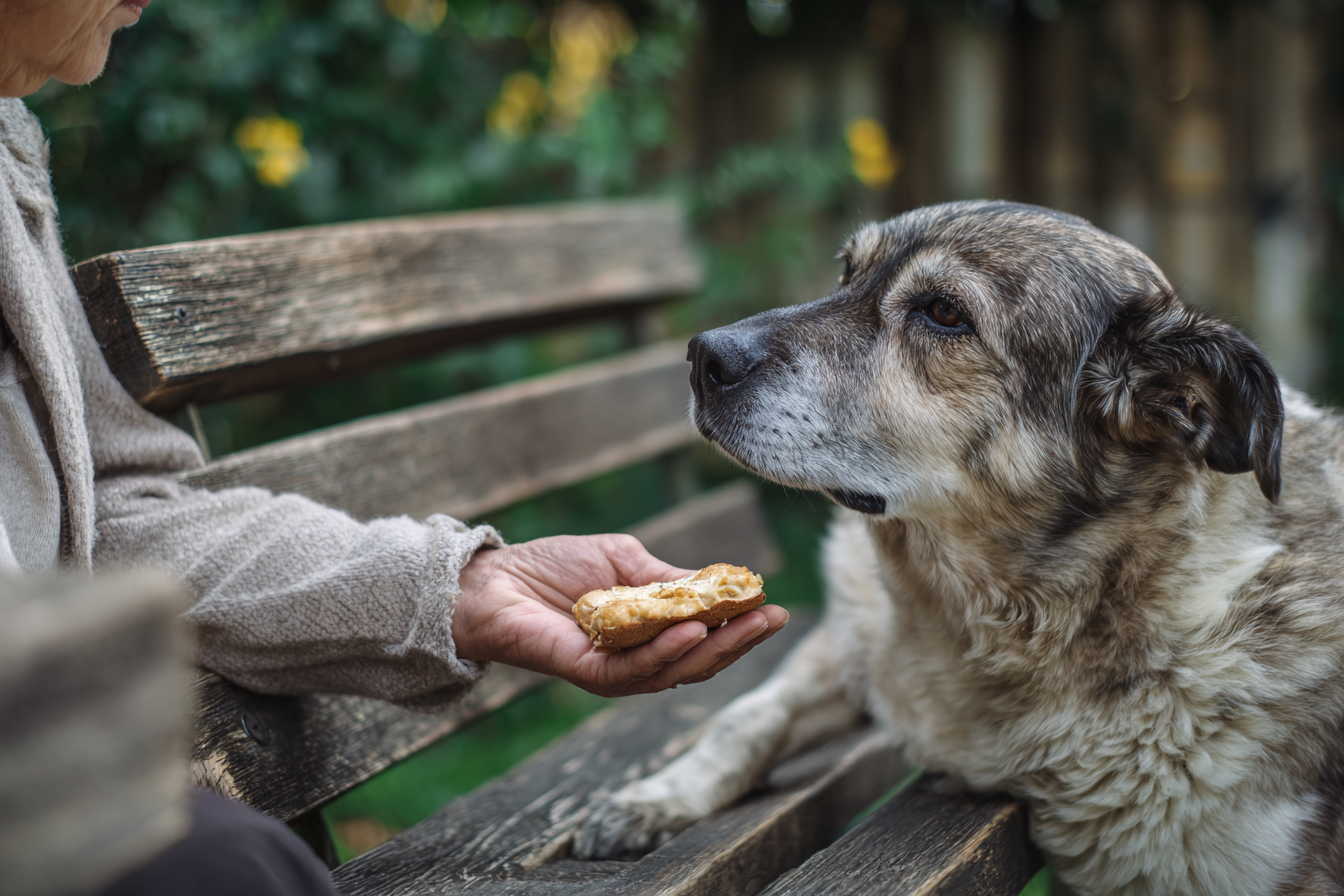
- Build Trust: The first step in training an older dog is building a strong bond of trust. Spend time simply being together, hand-feeding them meals, and engaging in gentle play.
- Discover Their Motivation: Figure out what your dog values most. It could be food (try different treats like chicken, cheese, or hot dogs), a favorite toy, or verbal praise. Use this as your primary reward.
Fundamental Principles for Successful Obedience Training
No matter the age of your dog, the principles of how to train your dog effectively remain consistent. Modern dog training has moved away from punitive methods and towards science-based, positive reinforcement.
1. Positive Reinforcement is King
This is the cornerstone of modern obedience training. The concept is simple: reward the behaviors you like, and ignore or manage the ones you do not. When your dog performs a desired action, you immediately mark it (with a word like “Yes!” or a clicker) and follow it with a high-value reward. This method, heavily promoted by experts like Karen Pryor, builds a dog’s confidence and makes learning a fun game.
2. Keep Sessions Short, Positive, and Consistent
Even for adult dogs, long training sessions lead to boredom and frustration. Several five-minute sessions throughout the day are far more effective than one thirty-minute session. Always end the session while your dog is still engaged and successful, even if it means ending on a very simple command they know well.
3. Manage Your Expectations
Progress is rarely a straight line. Some days your dog will seem to forget everything they’ve learned. This is normal. Stay patient and consistent. If you hit a wall, go back to a step they can successfully perform and rebuild from there.
4. Master the Art of Proofing
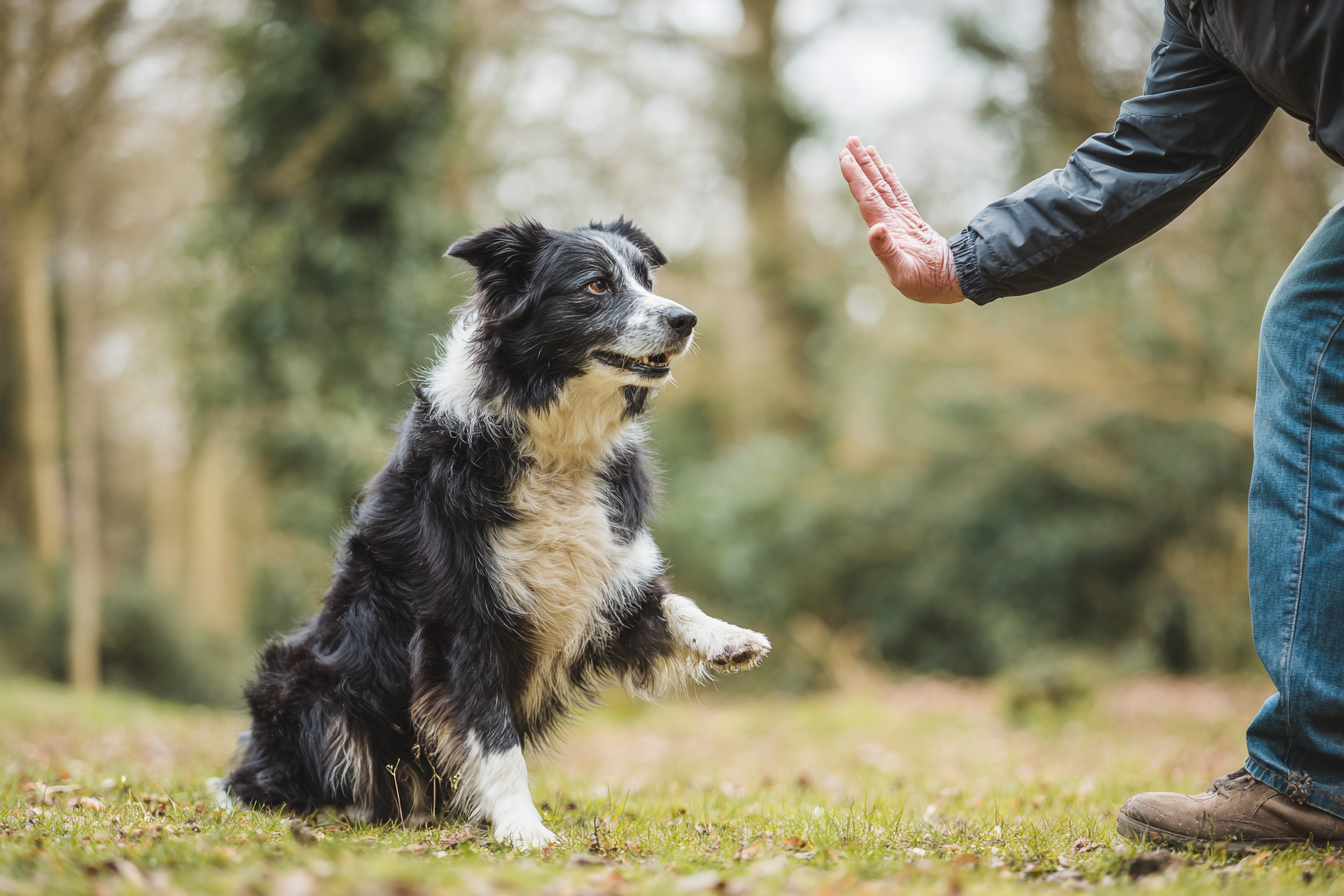
A dog that can “sit” in your quiet kitchen may not be able to do it at a busy park. “Proofing” is the process of practicing commands in increasingly distracting environments. Start in a low-distraction area (your home), then practice in your yard, then on a quiet street, and finally in a busier location.
A Simple Guide on How to Train My Puppy: The First Three Commands
If you are wondering exactly how to train my puppy, here is a quick-start guide for the first three essential commands using positive reinforcement.
Sit:
- Hold a treat close to your puppy’s nose.
- Slowly move your hand up and slightly back over their head. As their head follows the treat, their bottom will naturally lower.
- The moment their bottom touches the floor, say “Yes!” and give them the treat.
- Repeat, and as they start to understand the action, add the verbal cue “Sit.”
Come:
- Start in a low-distraction area. Get down on your puppy’s level.
- In a happy, excited voice, say “[Puppy Name], Come!” and gently pat your legs.
- When they run to you, reward them with a high-value treat and enthusiastic praise.
- Never scold your puppy when they come to you, even if it took them a long time. You want coming to you to always be a positive experience.
Leave It:
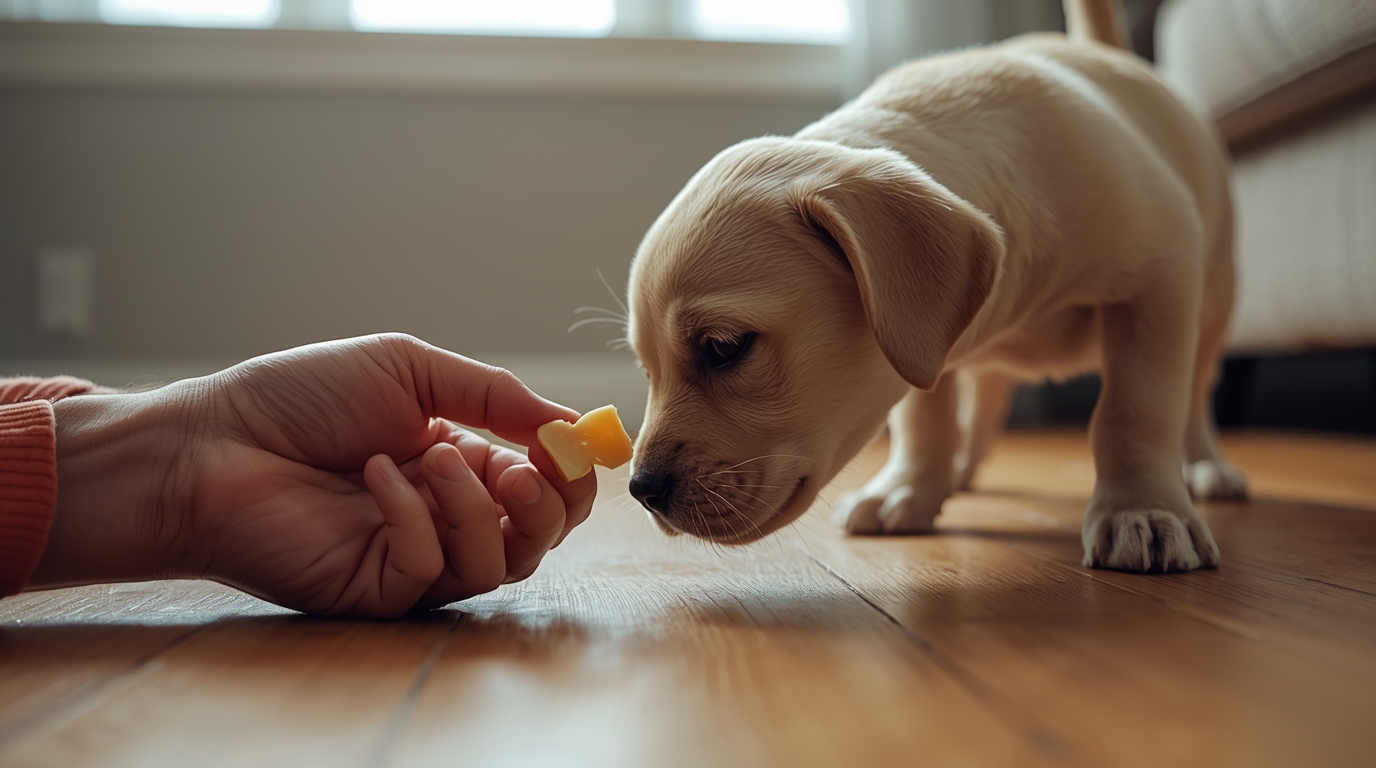
- Place a treat in your closed fist.
- Present your fist to your puppy. They will likely sniff, lick, and paw at it.
- The moment they stop trying and pull their nose away, say “Yes!” and reward them with a different treat from your other hand.
- This teaches them that ignoring something rewarding leads to an even better reward.
Conclusion: The Journey of a Lifetime
The question of when to start obedience training has a dual answer: start with your puppy the day they come home, and for an older dog, start today. The goal of obedience training of a dog is not to create a robot, but to open a line of communication, build a relationship based on mutual trust and respect, and ensure your dog can live safely and happily as part of your family and society. By using positive, consistent methods, you are not just teaching commands; you are building an unbreakable bond that will last a lifetime.