




Imagine a home free from puppy messes. Potty training your dog might seem tough, but the tethering method makes it easier. This approach keeps your puppy close using a leash, so you can watch them and guide them to the right potty spot. It’s also a powerful tool for obedience and relationship building, helping your puppy learn quickly through trust and structure.
The tethering method, often called “umbilical cord training” by expert Ian Dunbar in Before and After Getting Your Puppy, allows you to catch your puppy’s potty cues instantly and reward success. Dunbar emphasizes that dogs thrive under clear, reward-based guidance — exactly what this approach provides by keeping your puppy close for real-time correction and encouragement.
If you’re new to house training, you can first review the comprehensive guide to potty training a puppy to understand how tethering fits alongside other proven methods like clicker and cue training.
1. Understand the Psychology of Training
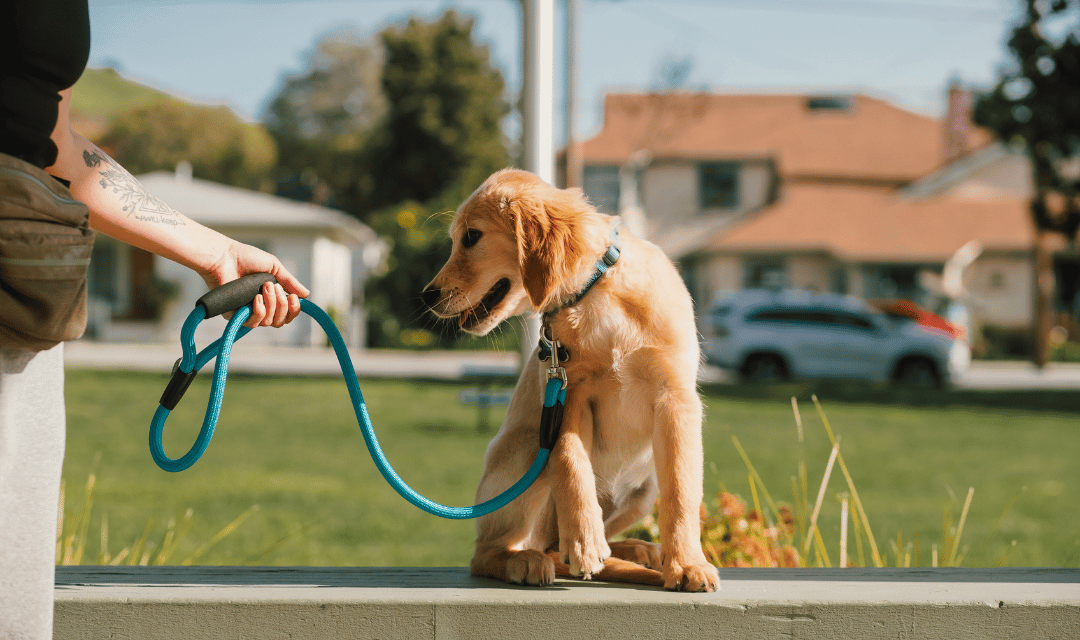
Puppies learn best when they feel safe and rewarded, embracing “positive reinforcement” as advocated by Ian Dunbar, which “relies on rewarding desired behaviors to encourage their repetition.” The tethering method, or umbilical cord training, works by “keep[ing] the dog either tethered to you,” so you can guide their behavior closely. When they go potty outside, you reward them with praise or treats. This makes them want to repeat the action. As a result, “the puppy will be potty-trained quickly.”
For owners who prefer precision-based training, combining tethering with the clicker potty training method can make results even faster by clearly marking each success.
Punishment can scare puppies and slow training, “rather than punishing undesired behaviors.” Instead, focus on positive rewards to build confidence. A consistent routine helps your puppy feel secure for example, “establish a consistent routine by taking the puppy outside to the designated potty area frequently, especially after meals and naps.” This also helps with obedience training. However, every puppy is unique, so patience is key.
Essentials for Success:
- Use positive rewards, not scolding.
- Keep a calm, encouraging tone.
- Be patient, as puppies learn gradually.
2. Set Up the Training Environment
A good setup is crucial for potty training. Get a lightweight leash (4-6 feet) and a flat collar for your puppy. Attach the leash to your belt or hold it to keep your puppy close. This prevents accidents when you’re not watching. Also, use a crate that’s just big enough for them to stand, turn, and lie down comfortably. Add soft bedding for coziness.
Choose one outdoor spot for potty breaks. Using the same spot helps your puppy know where to go. Dogs like familiar smells, so pick one door to use every time. Keep treats nearby for rewards. If accidents happen, clean them with an enzyme spray to remove odors completely. This stops your puppy from going back to the same spot for poop. For young puppies, you can use puppy pads indoors at first, but move them closer to the door over time.
Essentials for Success:
- Leash: Keeps puppy close for supervision.
- Crate: Prevents accidents when unsupervised.
- Enzyme cleaner: Removes accident odors fully.
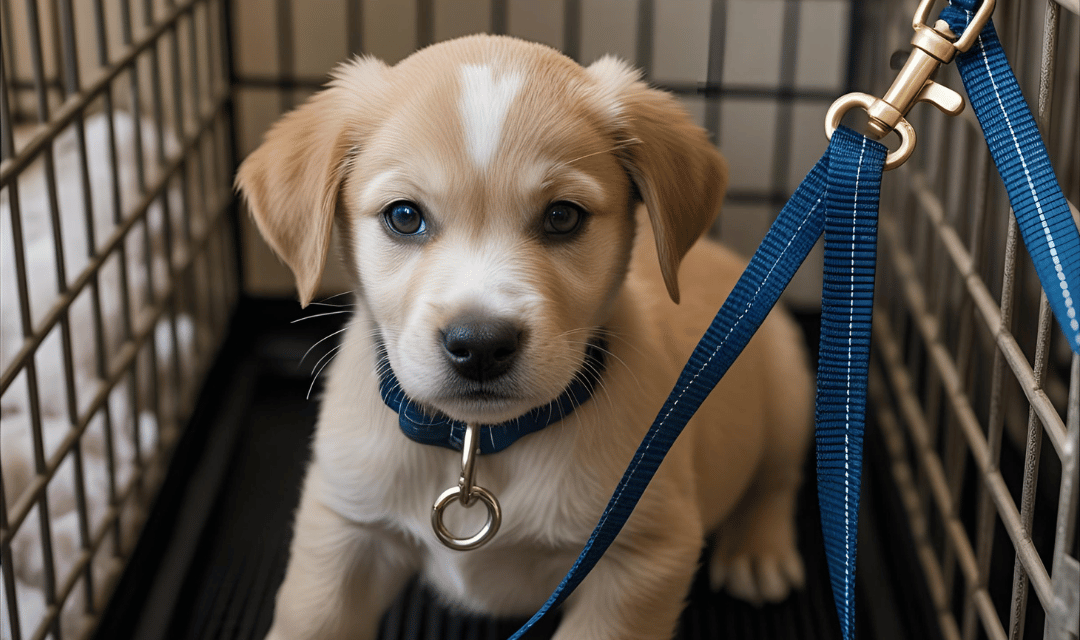
If you’re juggling daytime and nighttime schedules, you’ll find crate training at night and while you’re away helpful — it shows how to balance supervision with proper rest.
3. Follow These Tethering Method Steps
Here’s how to potty train your puppy with the tethering method. Follow these steps carefully for success.
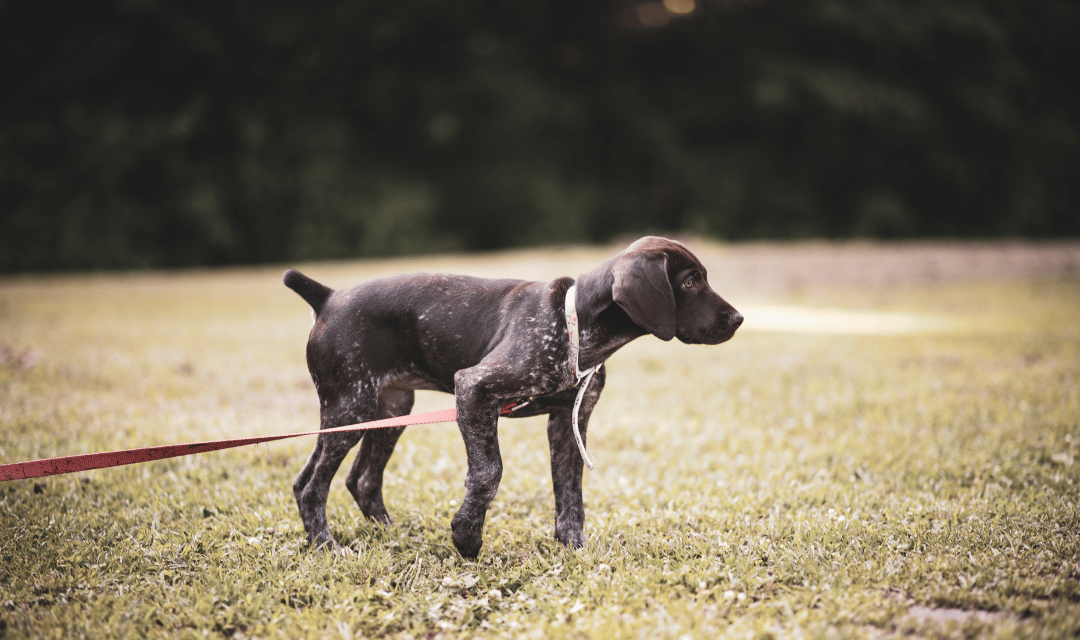
- Tether Indoors: Attach the leash to your puppy’s collar and your belt or hand. Keep them close while indoors to watch for potty signs like sniffing, circling, or squatting. This helps you act fast.
- Set a Schedule: Take your puppy to the outdoor spot every 1-2 hours, plus after meals, naps, playtime, or waking up. Young puppies (6-12 weeks) need hourly trips because their bladders are small.
- Reward Success: When your puppy goes potty outside, praise them (e.g., “Good job!”) and give a treat right away. This links going outside with good things. Be quick to reward within seconds.
- Watch for Signs: While tethered, notice signs like restlessness or sniffing. Take them to the potty spot immediately. Stay calm to keep them focused.
- Use a Crate When Needed: When you can’t supervise, like at night, put your puppy in the crate. Take them out right after they wake up. A routine helps them hold it better.
- Clean Accidents Quietly: If an accident happens, clean it with an enzyme spray without scolding. Punishment can confuse your puppy and make training harder.
- Increase Freedom Slowly: After 4-6 weeks of consistent outdoor potty trips, give your puppy short periods off-leash indoors. Keep supervising closely to avoid accidents.
Essentials for Success:
- Lightweight leash: Comfortable for constant supervision.
- High-value treats: Motivate your puppy to learn.
- Consistent schedule: Predictable times for potty breaks.
Want more step-by-step guidance? You can check out the full tethering potty training guide for detailed timing and troubleshooting tips.
4. Know the Training Duration
Puppies can start learning the tethering method in 1-2 weeks. However, full potty training takes 4-6 months. Young puppies (6-12 weeks) need breaks every 1-2 hours due to small bladders. Older puppies can wait longer, about 3-4 hours.
Consistency speeds up progress. Most puppies are reliable by 4 months, but some need extra time. Keep a notebook to track when they go potty and any accidents. Also, celebrate small wins, like when your puppy goes outside without prompting. This keeps you both motivated.
Essentials for Success:
- Frequent breaks: Every 1-2 hours for young puppies.
- Routine: Same times for meals and potty trips.
- Tracking: Note progress to stay consistent.
5. Extra Tips and Resources
The tethering method works best with patience and consistency. If your puppy resists the leash, introduce it slowly with treats to make it fun. Clean accidents right away with an enzyme spray to remove odors, as dogs may return to scented spots. Also, check with a vet if accidents happen often, as it could be a health issue like a urinary infection.
Mix in obedience training, like teaching “sit” before going outside, to make your puppy well-behaved. If indoor pottying suits your space better, explore how to potty train a dog with pads an ideal supplement for very young pups or apartment living.
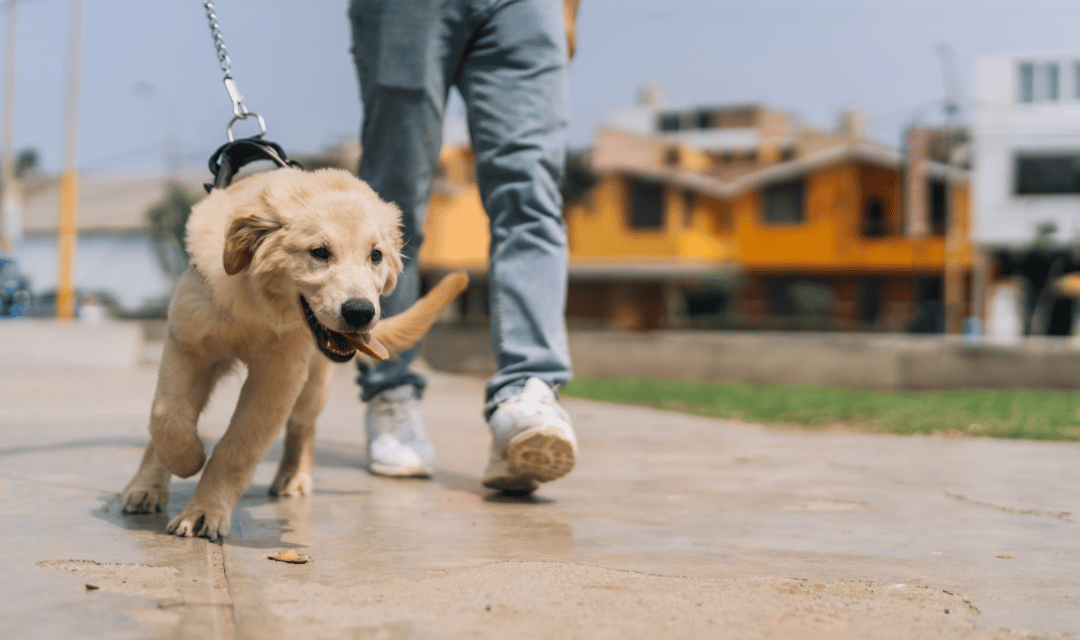
In summary, the tethering method is a simple, effective way to potty train your puppy. By keeping them close, you catch their signals and teach them to go outside. With clear steps and a good setup, you’ll have a clean home and a happy dog. So, grab a leash and start today. Your puppy will learn quickly!
Conclusion
The tethering method is one of the most reliable ways to potty train your puppy. It keeps your pup close, allows immediate guidance, and builds a strong communication bond. With consistency, patience, and positive reinforcement, you’ll soon enjoy a clean home and a confident, well-trained dog.