

Picture a home with no puppy messes on the floor. Potty training your dog can feel tricky, but clicker training makes it easy and fun. This method uses a small handheld tool that makes a clicking sound to mark good behavior, followed immediately by a treat. It’s one of the most effective ways to teach both potty habits and early obedience training and it’s simple enough for anyone in the family to help with.
Clicker training, pioneered by Karen Pryor in her book Don’t Shoot the Dog!, uses positive reinforcement to accelerate learning. Renowned trainer Ian Dunbar also emphasizes that dogs thrive on clear, consistent communication exactly what the clicker provides. By marking the precise moment your puppy succeeds, you eliminate confusion and build trust.
If you’re new to house training, it helps to begin with the comprehensive guide to potty training a puppy it gives an overview of all three proven methods (clicker, cue, and tethering) to help you choose the best fit for your routine.
1. Understand the Psychology of Training
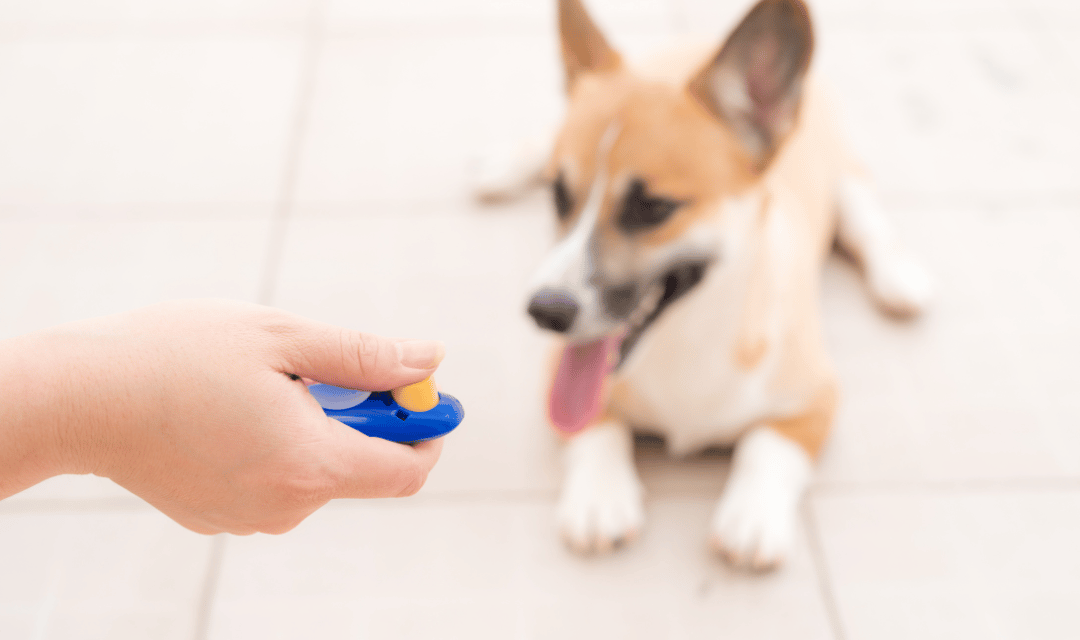
Dogs learn best when they feel happy and safe, a principle underscored by trainer Karen Pryor, she champions positive reinforcement techniques. Clicker training, as she advocates, employs a distinct sound to precisely mark the moment your puppy performs a desired behavior, such as pottying outside, followed immediately by a treat. This association links the click to positive outcomes, motivating your puppy to eagerly repeat the action.
Puppies thrive under gentle guidance rather than punishment, as scolding can instill fear and hinder progress. Opt instead for rewards to foster confidence and security. Establishing a consistent routine, like scheduled outdoor trips at the same times daily, reinforces this sense of stability and aids in broader obedience training. Remember, each puppy is unique, so patience and an early start are key.
Essentials for Success:
- Stay positive and avoid yelling.
- Use a calm voice for praise.
- Be patient, as puppies learn at their own pace.
For a more detailed example of this approach, see how to potty train your puppy with clicker training it covers timing, rewards, and troubleshooting in depth.
2. Set Up the Training Environment
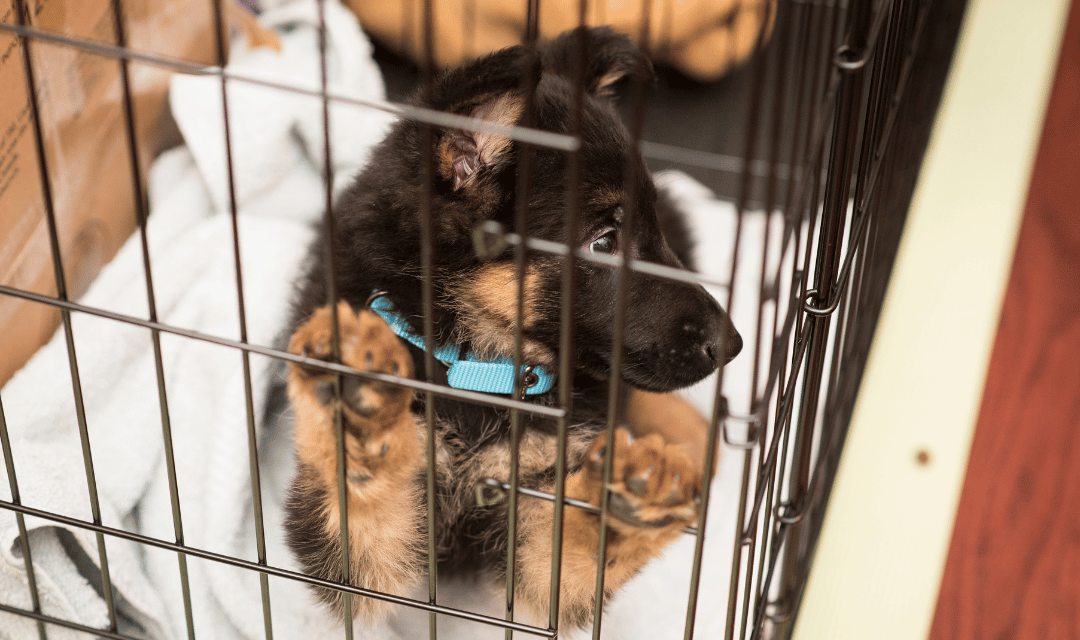
A good setup makes potty training easier. First, get a crate that’s just big enough for your puppy to stand, turn, and lie down. Add soft bedding for comfort. A crate keeps them from having accidents when you’re not watching. Also, set up a playpen with toys for playtime.
Choose one outdoor spot for potty breaks. Using the same spot helps your puppy know where to go. Dogs like familiar smells, so pick one door to use every time. Keep a clicker and treats nearby. If accidents happen, clean them with an enzyme spray to remove smells. Cleaning accidents with an enzyme spray is necessary because it breaks down the proteins in urine and feces, completely removing odors that might attract your puppy back to the same spot. Regular cleaners may mask smells but leave traces that dogs can detect, encouraging repeat accidents. Using an enzyme spray ensures the area is fully neutralized, supporting effective potty training.
For young puppies, start with puppy pads indoors but move them closer to the door over time.
Essentials for Success:
- Crate: Sized right to prevent indoor potty.
- Enzyme cleaner: Deletes accident odors.
- Consistent spot: Same outdoor area every time.
If you’re balancing crate time and supervision, see crate training at night and while you’re away it complements clicker-based potty routines perfectly.
3. Follow These Clicker Training Steps
Here’s how to potty train your dog with clicker training. Follow these steps carefully for success.
- Load the Clicker: Click the clicker and give a treat right away. Do this 10 times a day for two days. This teaches your puppy that a click means a reward. It builds excitement for training.
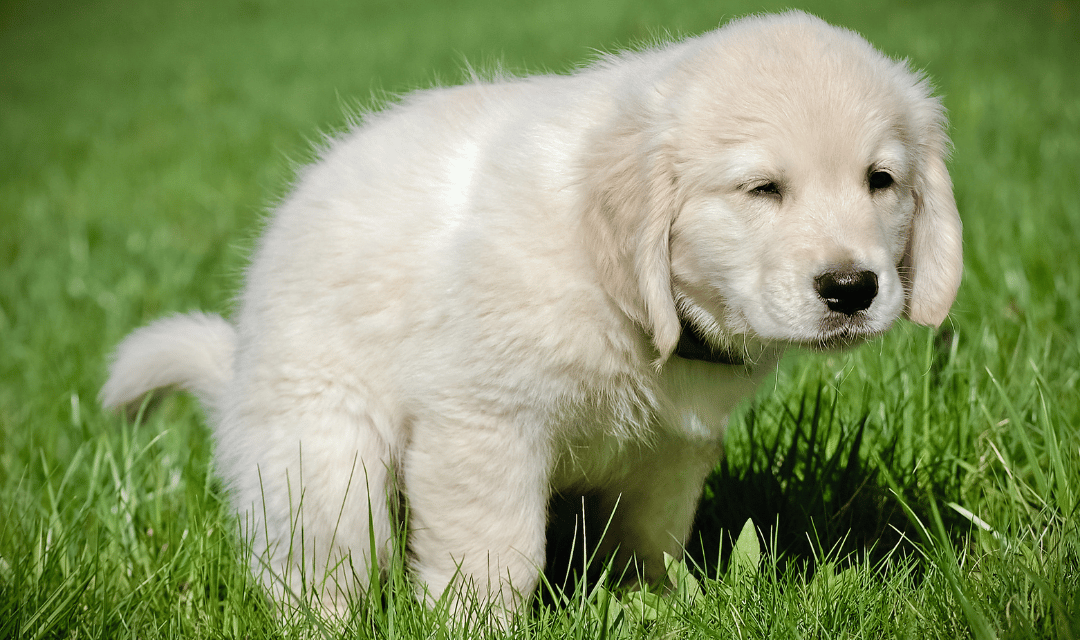
- Watch for Potty Signs: Look for sniffing, circling, or squatting. Take your puppy to the outdoor spot as soon as possible. When they start to potty, click once. Then, praise and give a treat. Say “potty” each time.
- Add a Cue: After a week, say “go potty” just before they go. Click and treat when they do. Use a leash to keep them focused, but let them sniff the spot. Clean accidents quietly without scolding.
- Use the Crate: Put your puppy in the crate for naps. Take them out right after waking. A routine helps them hold it. Feed at set times to predict potty needs.
- Fade the Clicker: Slowly use the clicker less. Switch to voice praise and occasional treats. This keeps the habit strong. Your puppy will soon potty outside every time.
Essentials for Success:
- Clicker: Marks the exact moment of good behavior.
- High-value treats: Small bits of chicken or soft treats.
- Leash: Keeps puppy focused during potty breaks.
You can also pair this with cue-based potty training once your puppy starts responding reliably it teaches them to go on command for added convenience.
4. Know the Training Duration
Puppies can learn the basics of clicker training in 1-2 weeks. However, full potty training takes 4-6 months. Young puppies (6-12 weeks) need to go out every 1-2 hours because their bladders are small. Older puppies can wait longer.
Consistency is key to faster results. Most puppies are reliable by 4 months. But some may need more time. Keep a notebook to track progress. Also, celebrate small successes to stay motivated. For example, praise your puppy extra when they go outside without prompting.
Essentials for Success:
- Frequent breaks: Every 1-2 hours for young puppies 6 to 12 weeks old.
- Routine: Same times for meals and potty trips.
- Patience: Full training takes months.
5. Extra Tips and Resources
Potty training works best when you stay calm and consistent. If accidents happen, don’t worry—just clean up and keep going. Check with a vet if your puppy has too many accidents, as it might be a health issue. Also, mix in obedience training, like teaching “sit” before going outside, to make your puppy well-behaved.
For more help, visit AKC’s potty training guide or clicker training tips. These resources offer great advice for dog training.
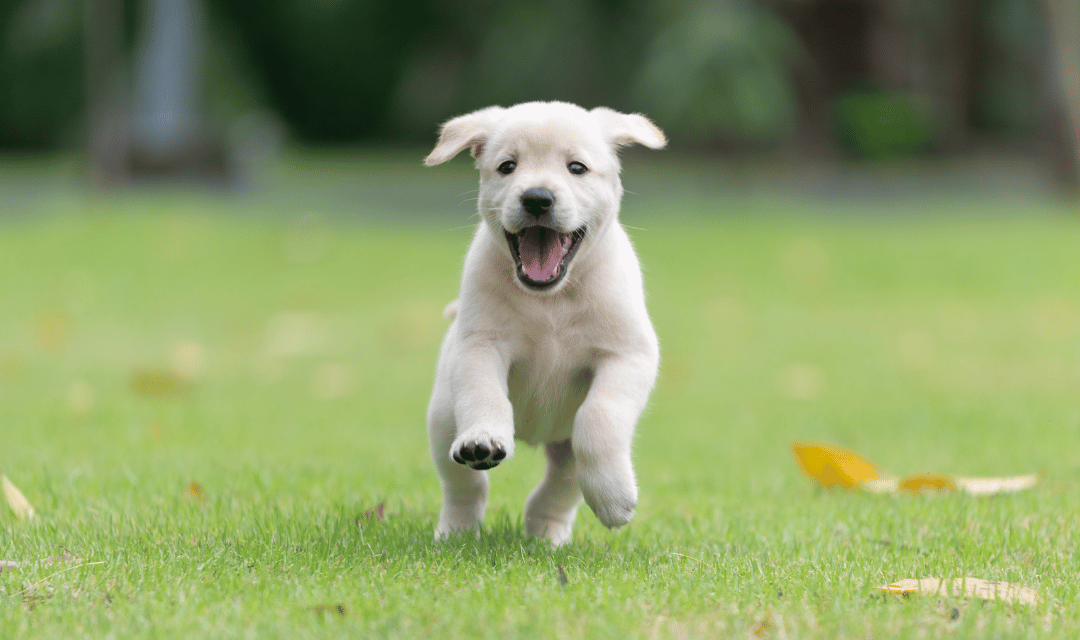
For apartment or indoor setups, potty pad training can be a helpful complement until your puppy is ready for outdoor-only routines.
Conclusion
Clicker training transforms potty training into a clear, positive experience. With each click, your puppy learns exactly what earns rewards making progress faster and stress-free. This science-backed, kind approach doesn’t just prevent accidents; it builds communication, trust, and confidence that will carry into all your future training sessions.
So grab your clicker, some treats, and a little patience your puppy’s potty training success starts today!